
July 6, 2026
All the 8 African countries on the EU’s latest high-risk money laundering list
Advertisement
All the 8 African countries on the EU’s latest high-risk money laundering list
)
)
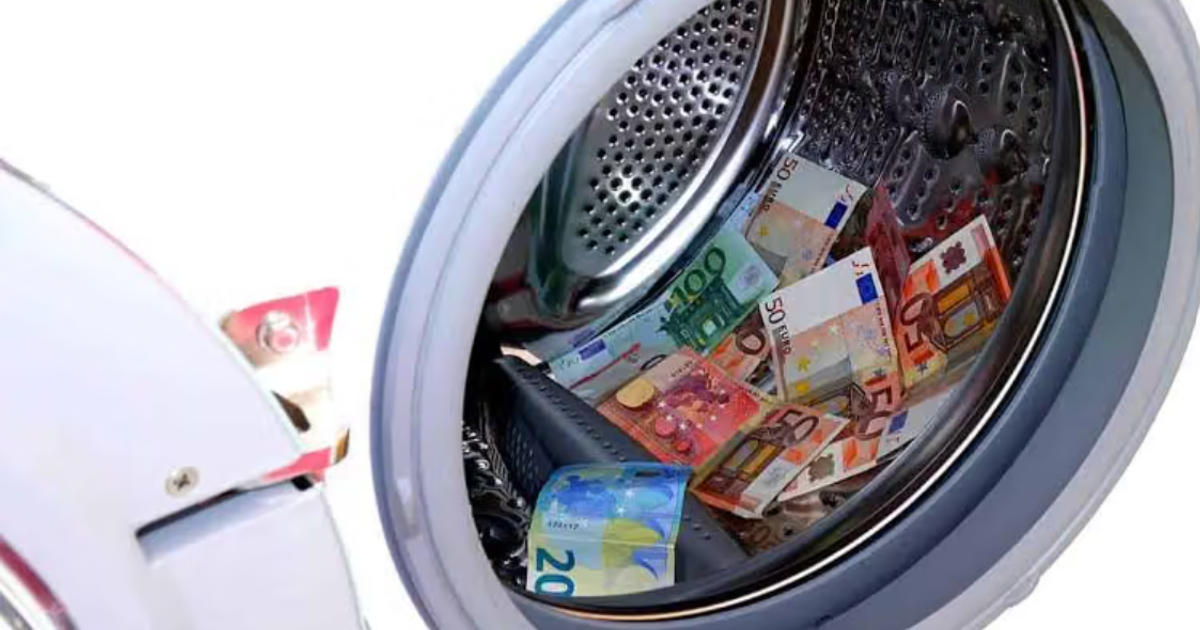
The European Union has placed eight African countries on its latest high-risk financial watchlist, requiring stricter checks on cross-border transactions linked to the affected nations.
The European Union (EU) has retained eight African nations on its latest list of high-risk third countries, citing ongoing shortcomings in their systems for preventing money laundering and the financing of terrorism.
Advertisement
-
The European Union has retained eight African countries on its updated high-risk list, citing gaps in their anti–money laundering and counter-terrorist financing systems.
-
The affected countries include Algeria, Angola, Cameroon, Côte d’Ivoire, the Democratic Republic of the Congo, Kenya, Namibia, and South Sudan.
-
While the listing does not impose sanctions, it requires EU financial institutions to apply enhanced due diligence and stricter checks on transactions involving these countries.
Advertisement
The revised list, adopted by the European Commission under Delegated Regulations (EU) 2026/46 and (EU) 2026/83, updates the bloc’s anti-money laundering framework by identifying jurisdictions whose financial crime controls are considered to fall below internationally accepted standards.
Although inclusion on the list does not result in economic sanctions or trade bans, it requires banks and other financial institutions across the EU to apply enhanced due diligence when dealing with customers or organisations linked to the affected countries. This typically involves additional compliance procedures and increased scrutiny of financial transactions.
African countries on the EU’s high-risk list
1. Algeria
Advertisement
READ MORE: High Court dismisses Abu Trica’s emergency application to halt extradition to US
Algeria was added to the EU’s high-risk list in 2025 after authorities identified weaknesses in its anti-money laundering and counter-terrorist financing framework. Financial institutions within the EU are now required to carry out enhanced checks on transactions involving Algerian individuals and businesses.
2. Angola
Also added in 2025, Angola was included because of deficiencies identified in its measures to combat money laundering and terrorist financing.
3. Cameroon
Advertisement
READ MORE: ‘The pulpit is not for marital disputes’ — Kofi Oduro criticises Obinim over comments about wife
Cameroon has remained on the list since 2023, with transactions involving the country continuing to attract closer regulatory scrutiny from European financial institutions.
4. Côte d’Ivoire
The West African nation was included following the EU’s assessment that its systems for tackling financial crime require significant improvement.
5. Democratic Republic of the Congo
Advertisement
The Democratic Republic of the Congo has been subject to enhanced due diligence requirements since 2023 because of concerns over weaknesses in its financial crime prevention mechanisms.
READ MORE: ‘No bed was available’ — Mzbel mourns sister, alleges Korle Bu admission delay led to her death
6. Kenya
Despite being one of East Africa’s largest economies, Kenya remains on the list, meaning businesses and financial institutions dealing with European counterparts may encounter more rigorous compliance procedures.
7. Namibia
Namibia joined the list in 2025, following the EU’s determination that improvements are needed in its anti-money laundering and counter-terrorist financing regime.
8. South Sudan
South Sudan has been on the EU’s high-risk list since 2022, making it the longest-serving African country currently subject to the bloc’s enhanced due diligence requirements.
The EU’s high-risk country list is designed to safeguard the integrity of the European financial system by identifying jurisdictions with strategic deficiencies in combating money laundering, terrorist financing and the financing of weapons proliferation.
Advertisement
For individuals, businesses and financial institutions operating in or conducting transactions with the listed countries, the designation does not prohibit commercial activity. Instead, it requires European financial institutions to carry out additional customer due diligence before processing transactions.
These extra checks may include more detailed documentation, stricter compliance reviews and longer processing times for cross-border financial transfers.
ALSO READ: ‘FBI 1 – Abu 1’ – Barker-Vormawor reacts after High Court clears way for Abu Trica’s US extradition
The European Commission bases its assessments on technical evaluations that closely align with standards established by the Financial Action Task Force (FATF), the global body responsible for setting international benchmarks in the fight against money laundering and terrorist financing.
Countries can be removed from the list once they implement reforms that adequately address the identified weaknesses and meet the EU’s regulatory expectations.
Advertisement
Advertisement
Latest Videos
)
Advertisement
Videos
)
)
)
Advertisement
Advertisement
More from Pulse Ghana
)
)
)
,fit(112:112))
Advertisement
Originally published on www.pulse.com.gh
