

August 1, 2026
A Long War Ahead: Diplomacy, Nerves, and a Region at the Crossroads


Sat, 01 Aug 2026 Article
A Long War Ahead: Diplomacy, Nerves, and a Region at the Crossroads
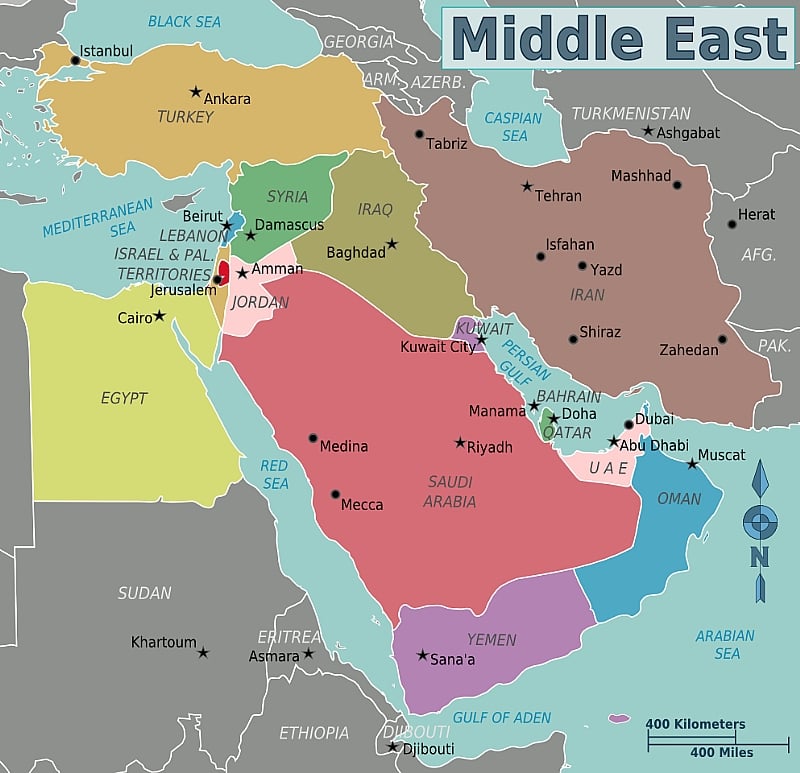
The Middle East appears to be entering a prolonged phase of strategic tension—one defined not only by the possibility of conflict, but by a high-stakes battle of nerves accompanied by intense diplomatic maneuvering. The American Centcom has briefed the president about the next phase of attacks that Centcom thinks will decaptilze the Iranian power. They warn that they will target the Iranian power plants and with meeting Israeli pm natanyahu also assured and second the trump decision. In response the Iranian also ready to attack in Israeli power plants and in Gcc American bases. So a long war ahead. At the center of this evolving landscape stands Mohammed bin Salman (MBS), whose regional vision and leadership now face one of their most critical tests.
Over the past decade, the Gulf Cooperation Council (GCC), under Saudi Arabia’s influence, aligned itself closely with the United States. This alignment brought undeniable short-term gains: an influx of multinational corporations, the emergence of technology hubs, ambitious infrastructure projects like NEOM, and a rebranding of the Gulf as a global tourism and investment destination. These developments projected an image of modernity and economic diversification—an intentional shift away from rigid conservatism.
However, beneath this transformation lies a deeper geopolitical calculation. The United States sought not only economic engagement but strategic positioning in the Middle East, particularly in the context of its long-standing rivalry with Iran. By encouraging normalization with Israel through frameworks like the Abraham Accords, Washington aimed to consolidate a regional bloc that could counterbalance Tehran.
This strategy, while effective in shaping alliances, also came at a cost. Iran was increasingly portrayed in Western narratives as rigid, anti-modern, and resistant to democratic values. Whether accurate or exaggerated, this portrayal contributed to its diplomatic isolation. Yet, Iran has not remained passive. Instead, it has adopted a dual-track approach—maintaining a posture of resistance while keeping diplomatic channels open. This calculated balance has allowed Tehran to assert its relevance in any future regional order.
Recent developments suggest that the initial cohesion within the GCC may be more fragile than it appeared. Trust built over decades can erode rapidly under pressure, and shifting geopolitical realities have exposed underlying vulnerabilities. If Iran successfully convinces regional actors that its inclusion is essential for stability, it could reshape the Middle Eastern power structure in its favor.
Meanwhile, other key players—Pakistan, Qatar, and Turkey—have attempted to position themselves as mediators. However, their efforts have been slow and, at times, constrained by their own strategic dependencies. Qatar has shown willingness to facilitate dialogue, but Turkey’s independent stance and Pakistan’s cautious approach—often influenced by its ties with Washington—have limited the effectiveness of a unified diplomatic front.
The question, then, is whether diplomacy can still alter the trajectory. Iran’s willingness to engage, even while projecting strength, indicates that a negotiated outcome remains possible. If Tehran can compel regional actors, including Saudi Arabia, to broaden the dialogue and incorporate Turkey into a more inclusive framework, it may shift the balance away from confrontation.
For the United States, the situation presents no clear path to victory. Military escalation risks triggering a wider, multi-stage conflict that could engulf the entire region, placing GCC states in a precarious position. What may have once been framed as a strategic contest could evolve into a prolonged struggle driven by perceptions of credibility and prestige.
In this volatile environment, the risk is not just war—but a drawn-out cycle of escalation and retaliation. Iran, despite sustained pressure, appears increasingly resilient, with its strategic resolve hardening over time. Conversely, the Gulf states must reassess whether their current alignments serve long-term stability or merely short-term gains.
Ultimately, the region stands at a strong moment. The path forward will depend not only on military power but on the success of diplomacy in bridging deep-seated divides. There remains a possibility—however uncertain—that actors like China and Russia could play a crucial role in de-escalation. But trump also hinted that both assured him their neutrality during Iran war. The drones however allegedly counter thinks a Russian help under the war table. If such efforts succeed, they may prevent the Middle East from sliding into a conflict whose consequences would extend far beyond its borders.
Disclaimer: “The views expressed in this article are the author’s own and do not necessarily reflect ModernGhana official position. ModernGhana will not be responsible or liable for any inaccurate or incorrect statements in the contributions or columns here.”
Follow our WhatsApp channel for meaningful stories picked for your day.

Top Stories


Originally published on www.modernghana.com
