

July 16, 2026
Top 10 most imported goods in Ghana: See what the country spends billions on
Advertisement
Top 10 most imported goods in Ghana: See what the country spends billions on
)
)
Top 10 most imported goods in Ghana: See what the country spends billions on
Every year, Ghana spends billions of dollars importing goods that power its economy, support industries and meet the daily needs of households.
Advertisement
-
Ghana imported goods worth US$20.17 billion in 2025, according to United Nations COMTRADE data compiled by Trading Economics.
-
Mineral fuels, vehicles and machinery were the country’s three largest import categories, accounting for billions of dollars in spending.
-
The figures highlight Ghana’s continued reliance on imported goods to support energy, industry, construction and food supply.
Advertisement
From petroleum products and vehicles to machinery and cereals, imports remain a crucial part of the country’s economic activity despite efforts to boost local production.
According to data compiled by Trading Economics using the United Nations COMTRADE database, Ghana imported goods worth US$20.17 billion in 2025. The figures show which products account for the largest share of the country’s import bill and where demand for foreign goods remains strongest.
Here are the 10 most imported goods in Ghana in 2025.
Advertisement
1. Mineral fuels, oils and distillation products
)
Gold-for-Oil policy
Mineral fuels, oils and distillation products topped Ghana’s import bill at US$5.18 billion. The category includes crude oil, refined petroleum products and natural gas used to power transport, industry and electricity generation. Although Ghana produces crude oil, it still relies heavily on imported refined petroleum products, making energy the country’s largest import category.
2. Vehicles (excluding railway and tramway stock)
Advertisement
)
7 Reliable Japanese Cars That Hold Their Value in Ghana
Vehicle imports reached US$3.11 billion, making them the second-largest import category. The figure covers cars, buses, trucks and other motor vehicles. While Ghana has attracted vehicle assembly plants in recent years, most vehicles on the country’s roads, particularly used imports, continue to come from overseas.
3. Machinery, nuclear reactors and boilers
)
Image via www.customtruck.com
Advertisement
Imports of industrial machinery, boilers and mechanical equipment totalled US$2.13 billion. These products support construction, mining, manufacturing and agriculture, reflecting continued investment in infrastructure and industrial development.
4. Plastics
)
5 practical ideas to make money from plastic waste
Plastic imports were valued at US$829.33 million, supplying raw materials and finished products used in packaging, manufacturing, construction and consumer goods production.
5. Iron and steel
)
Iron and steel. Image via linkedin.com/posts/oxford-business-group
Iron and steel imports reached US$806.85 million, highlighting continued demand from Ghana’s construction and infrastructure sectors.
6. Electrical and electronic equipment
)
President Mahama inspects new transformers at the NEDCo yard in Tamale.
Advertisement
Imports of electrical and electronic equipment totalled US$668.08 million, including telecommunications equipment, household appliances, electrical machinery and industrial components.
7. Salt, sulphur, earth, stone, plaster, lime and cement

Salt
This category accounted for US$525.08 million in imports, reflecting strong demand for construction materials and mineral products.
Advertisement
8. Miscellaneous chemical products
Miscellaneous chemical products worth US$438.66 million were imported to support manufacturing, agriculture, cosmetics and other industries.
9. Articles of iron or steel
)
Articles of iron or steel
Finished and semi-finished iron and steel products totalled US$434.02 million, further underlining Ghana’s reliance on imported construction materials.
Advertisement
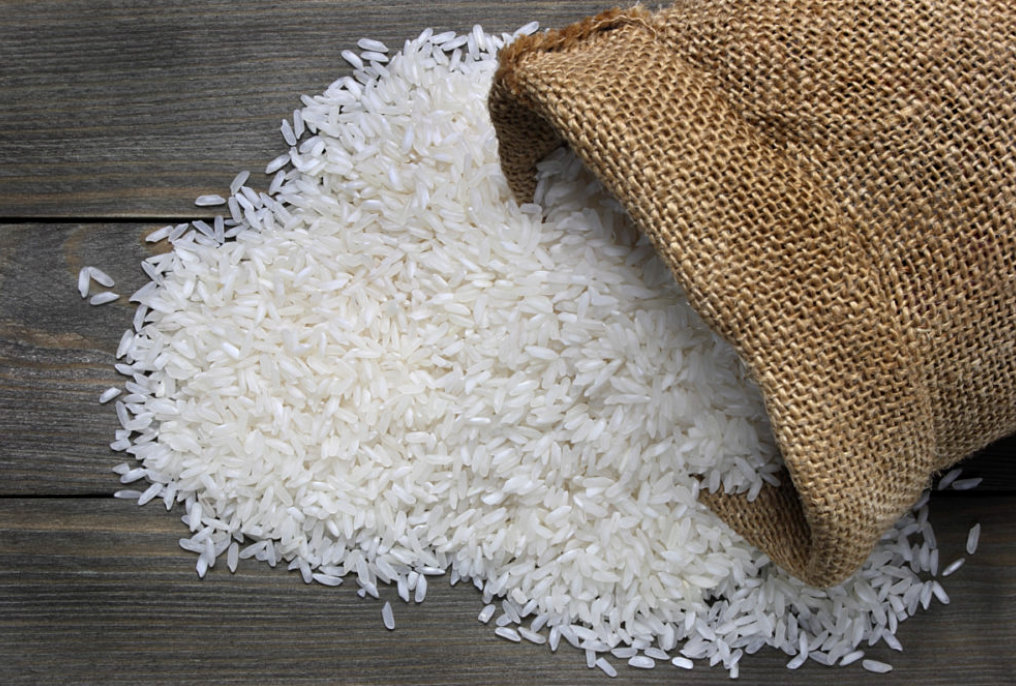
10. Cereals
Rice
Cereal imports reached US$383.25 million, covering staples such as rice, wheat and maize needed to supplement domestic food production.
What the figures show
Advertisement

container cargo
The data highlights Ghana’s continued dependence on imported energy, vehicles, industrial machinery and construction materials.
Also Read: Ghana vs Nigeria Passport 2026: Which is stronger? Full comparison and visa-free countries
Mineral fuels alone accounted for about a quarter of the country’s total import value, while strong demand for vehicles and machinery reflects continued economic activity and infrastructure development.
Advertisement
Latest Videos
)
Advertisement
Videos
)
)
)

Advertisement
Advertisement
More from Pulse Ghana
)
)
,fit(112:112))
)
)
)
Advertisement
Originally published on www.pulse.com.gh
