

August 2, 2026
Police licence checks at a road stop: What the law says, your rights, plus possible penalties
Advertisement
Police licence checks at a road stop: What the law says, your rights, plus possible penalties
)
,fit(700:467))
Do you have to hand over your driver’s licence to a police officer? Here’s what Ghana’s law says
Can a police officer ask for or seize your driver’s licence during a road stop? Here’s what Section 120 of Ghana’s Road Traffic Act, 2004 (Act 683) says about your legal obligations and rights.
Advertisement
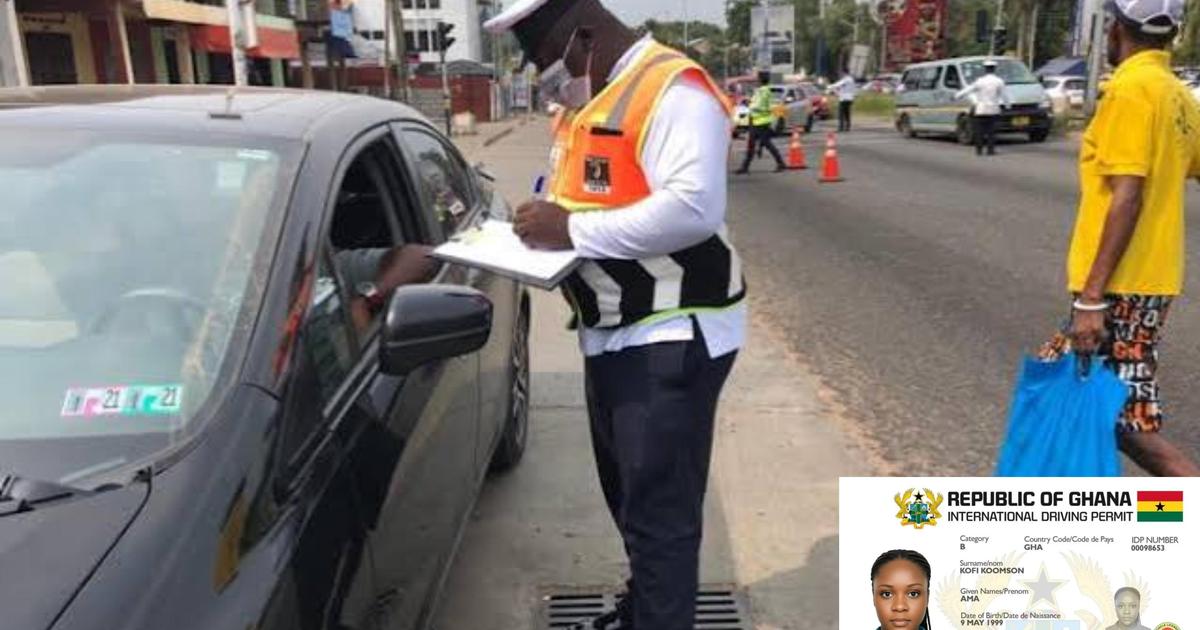
Being stopped at a police checkpoint is a routine experience for many drivers in Ghana, but one question that often sparks debate is whether motorists are legally required to hand over their driver’s licence to a police officer.
Advertisement
The answer is yes. Under Ghana’s Road Traffic Act, 2004 (Act 683), police officers and vehicle examiners have the legal authority to require motorists to produce their driver’s licences in specific circumstances.
When can a police officer ask for your licence?
Section 120 of the Road Traffic Act outlines the situations in which a driver must produce a valid driver’s licence for examination.
A police officer or vehicle examiner may require you to produce your licence if:
Advertisement
-
You are driving a motor vehicle on a public road.
-
They have reasonable grounds to believe you were driving a vehicle involved in a road traffic accident.
-
They have reasonable grounds to believe you committed a traffic offence.
-
You are supervising the holder of a learner’s licence while they are driving.
-
They reasonably believe you were supervising a learner driver involved in an accident or suspected traffic offence.
The law states that the licence is produced to enable the officer to verify the holder’s identity, address, date of issue and the authority that issued the licence.
Must you hand over the licence?
Yes. If a police officer or vehicle examiner lawfully requests your licence under these circumstances, you are required to produce it for examination.
Advertisement
In prescribed circumstances, you may also be asked to state your date of birth.
However, the law does not give officers unrestricted authority to permanently keep your licence simply because they have stopped you.
When can the police seize your licence?
Section 120 provides limited circumstances under which a police officer or vehicle examiner may seize a driver’s licence.
Advertisement
These include:
-
Where the Licensing Authority has revoked the licence but the holder has failed to surrender it.
-
Where the Licensing Authority has revoked the licence but the holder has failed to surrender it.
-
Where there are reasonable grounds to believe the licence holder knowingly made a false statement to obtain or renew the licence.
In such cases, the officer may seize the licence and deliver it to the Licensing Authority.
What if you don’t have your licence with you?
The law recognises that a driver may not always have the document immediately available. Under Section 120(6), a person required to produce a driver’s licence, certificate or any other relevant driving document must do so immediately or within 24 hours of the request.
This means that if you cannot produce the licence on the spot, you may still comply by presenting it within the prescribed 24-hour period.
What happens if you refuse?
Failing to produce your driver’s licence or other required driving documents is an offence under the Road Traffic Act.
A person who fails to comply commits an offence and is liable, upon summary conviction, to:
-
A fine of up to 250 penalty units; Imprisonment for up to 12 months; or both the fine and imprisonment.
Advertisement
What drivers should remember
When stopped at a police checkpoint, remain calm and cooperate with officers performing their lawful duties.
If an officer requests your driver’s licence under the circumstances outlined in the Road Traffic Act, you are legally required to produce it for inspection. However, police may only seize the licence in the specific situations permitted by law, such as when it has been revoked or is suspected to have been obtained fraudulently.
Knowing your rights and responsibilities under Ghana’s Road Traffic Act, 2004 (Act 683) can help ensure a smooth interaction during routine traffic checks while keeping you on the right side of the law.
Advertisement
Latest Videos

Advertisement
Videos
)
)
)
Advertisement
Advertisement
More from Pulse Ghana
)
,fit(112:112))
)
)
)
Advertisement
Originally published on www.pulse.com.gh
