

July 28, 2026
IMF approves final $371 million for Ghana, bringing $3 billion bailout programme to an end
Advertisement
IMF approves final $371 million for Ghana, bringing $3 billion bailout programme to an end
)
)
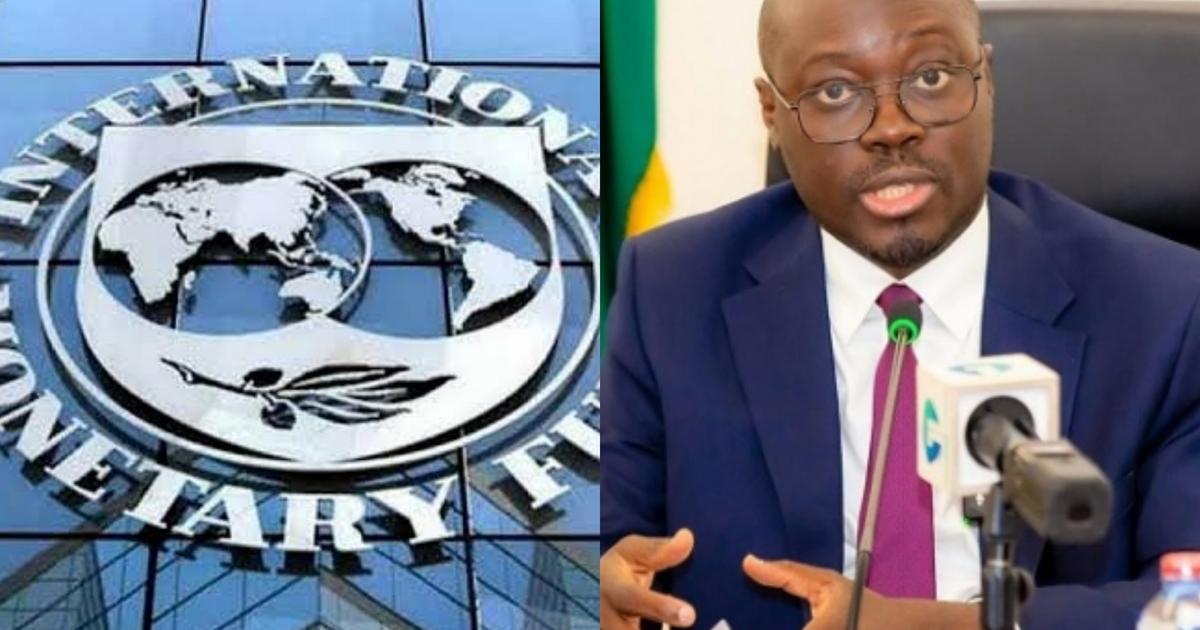
International Monetary Fund (left) and Minister of Finance, Ato Forson (right)
The IMF has approved the final review of Ghana’s $3 billion bailout programme, unlocking a final disbursement of $371 million and marking the successful completion of the country’s economic recovery programme.
Advertisement
-
The IMF has approved the final review of Ghana’s $3 billion Extended Credit Facility programme, unlocking a final disbursement of about $371 million.
-
The approval brings Ghana’s three-year IMF bailout programme to a successful close, with the country receiving the full $3 billion approved under the facility.
-
Ghana will now transition to a 36-month IMF Policy Coordination Instrument, which will support economic reforms and policy implementation without providing additional financing.
Advertisement
The International Monetary Fund (IMF) has approved the final review of Ghana’s $3 billion bailout programme, clearing the way for the country to receive a last disbursement of about $371 million.
The approval marks the successful completion of the IMF’s 39-month Extended Credit Facility (ECF) programme, which began in May 2023 after Ghana sought financial support following the country’s worst economic crisis in decades.
In a statement, Ghana’s Ministry of Finance said the final payment would support the country’s balance of payments, bringing the total amount received under the programme to about $3 billion.
Advertisement
“The Executive Board of the International Monetary Fund (IMF) has approved the final review of Ghana’s US$3 billion Extended Credit Facility (ECF) programme, bringing the bailout programme… to a successful conclusion,” the ministry said.
The IMF said Ghana’s performance under the programme had been broadly satisfactory, noting that the country had made significant progress in stabilising the economy.
The cedi has become more stable, and Ghana’s debt situation has also improved following major debt restructuring. Although the bailout programme has ended, Ghana will continue working with the IMF under a new 36-month Policy Coordination Instrument (PCI).
Unlike the bailout, the PCI does not provide new loans. Instead, it helps countries maintain sound economic policies and reforms while boosting investor confidence and supporting long-term economic growth.
Advertisement
The Ministry of Finance said the government remains committed to protecting the gains made under the IMF programme and will continue implementing reforms to build a stronger, more resilient, and more economy.
Ghana requested IMF support in 2022 after soaring public debt, high inflation, a sharp depreciation of the cedi and rising debt servicing costs pushed the country into its worst economic crisis in a generation.
READ ALSO: ORAL: Wontumi, Adu Boahene, Gifty Oware trials resume; see cases scheduled from July 27-31
The IMF programme is a key part of efforts to restore macroeconomic stability alongside domestic and external debt restructuring.
Advertisement
Latest Videos
)
Advertisement
Videos
)
)
)
Advertisement
Advertisement
More from Pulse Ghana
)
)
)
)
,fit(112:112))
)
Advertisement
Originally published on www.pulse.com.gh
