

July 24, 2026
Do you know keeping your wallet in your back pocket could be causing your back pain? Here’s why
Advertisement
Do you know keeping your wallet in your back pocket could be causing your back pain? Here’s why
)
,fit(700:467))
Why keeping your wallet in your back pocket could be causing your back pain
Learn why sitting on a bulky back-pocket wallet causes chronic back and leg pain, according to medical research on wallet neuritis and piriformis syndrome.
Advertisement
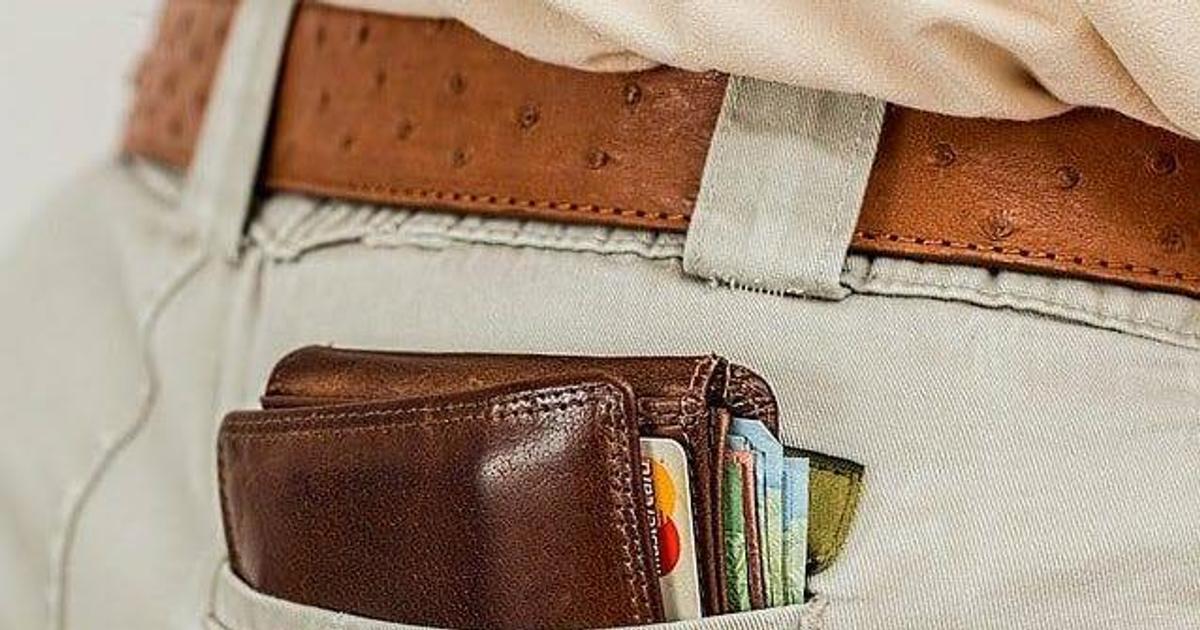
For many men, the back pocket is the permanent home of the wallet. You probably do it without thinking. Before leaving home in the morning, you pick up your wallet, squeeze it into your back pocket, hop into a trotro, taxi or your car, and head out for the day.
Advertisement
By afternoon, that same wallet now filled with cash, MoMo receipts, ATM cards, your Ghana Card, business cards and other small items has been pressing against your body through hours of sitting at work, meetings or while stuck in Accra traffic.
This has become a daily routine. But that thick wallet sitting under one side of your body for hours may be doing more harm than you realise. Medical researchers and orthopedic specialists have long warned against this daily habit, linking it directly to chronic spinal issues and nerve damage.
What Medical Research Tells Us About the Danger
Advertisement
The physical toll comes down to simple mechanics and sustained mechanical pressure. Clinical literature, including studies published in medical journals like Cureus, breaks down exactly how sitting on a wallet harms your body:
1. Pelvic and Spinal Misalignment
)
When you sit on a wallet even one measuring less than an inch thick—one side of your pelvis is elevated higher than the other. Biomechanical research shows that to keep your head and eyes level, your lower spine bends laterally to compensate.
Your upper back and neck then counter-adjust, forcing your entire spine into an unnatural, asymmetric posture. Sitting like this for hours puts continuous, uneven strain on your lumbosacral spinal segments, intervertebral discs, and surrounding muscles.
Advertisement
2. Compression of the Sciatic Nerve (Wallet Neuritis)
Directly beneath the gluteal muscles lies the sciatic nerve—the longest and thickest nerve in the human body, running from your lower spine down through your legs. Medical literature documents that constant pressure from a hard, thick wallet acts as an external compressive neuropathy.
Over time, this mechanical pressure causes irritation, inflammation, and even nerve fiber demyelination (damage to the nerve’s protective sheath), a condition clinically classified as wallet neuritis or credit-carditis.
Advertisement
3. Muscle Strain and Piriformis Syndrome
)
Muscle Strain and Piriformis Syndrome
Deep within the buttock sits the piriformis muscle, which sits directly over or around the sciatic nerve. As asymmetrical seating forces this muscle to bear exorbitant mechanical strain, it can tighten and spasm.
Medical research notes that while isolated wallet neuritis affects the sciatic nerve directly, sustained bad posture can also trigger piriformis syndrome, where the inflamed muscle squeezes the sciatic nerve further, producing a burning, shooting pain down the leg that is easily mistaken for a herniated disc.
Recognizing the Warning Signs
)
Wallet-induced nerve irritation builds up slowly over months. Watch out for these early signs on the side where you carry your wallet:
-
A dull, persistent ache in one side of your lower back or buttock after sitting.
-
Numbness, tingling, or a “pins and needles” sensation traveling down your thigh or calf.
-
Sharp, shooting pain when standing up after a long commute or desk session.
-
Discomfort that temporarily eases when you stand up and walk around.
READ ALSO: 10 things you should never do with Ghana cedi notes and coins, according to the Bank of Ghana
Simple Fixes to Protect Your Spine
Advertisement
The good news is that you do not need expensive medical treatments to prevent or reverse this condition; simple habit changes make all the difference:
-
Switch Pockets: Move your wallet to your front trouser pocket, a jacket pocket, or a shoulder bag before sitting down.
-
Remove It Before Sitting: If you prefer carrying your wallet in your back pocket while walking, make it a strict rule to take it out every time you sit at a desk, get into a car, or board a vehicle.
-
Slim It Down: Routinely clean out your wallet. Clear out old receipts, unnecessary cards, and excess clutter to keep it as flat as possible.
-
Take Movement Breaks: Break up long stretches of sitting with short walks and light stretches every hour to relieve pressure on your lower back and gluteal muscles.
Conclusion
Carrying your wallet in your back pocket might be an automatic habit, but the long-term cost to your spine and nerves is far too high. By making a simple daily adjustment, you can protect your posture, keep chronic pain at bay, and safeguard your spinal health for years to come. However, if the pain persists, spreads down your leg, or is accompanied by ongoing numbness, consult a doctor or physiotherapist for proper evaluation.
Advertisement
Latest Videos

Advertisement
Videos
)
)
)
Advertisement
Advertisement
More from Pulse Ghana
,fit(112:112))
,fit(112:112))
)
)
,fit(112:112))
Advertisement
Originally published on www.pulse.com.gh
