

July 22, 2026
The Wontumi Plea Deal Rejection And The Demands Of Justice


The Wontumi Plea Deal Rejection And The Demands Of Justice
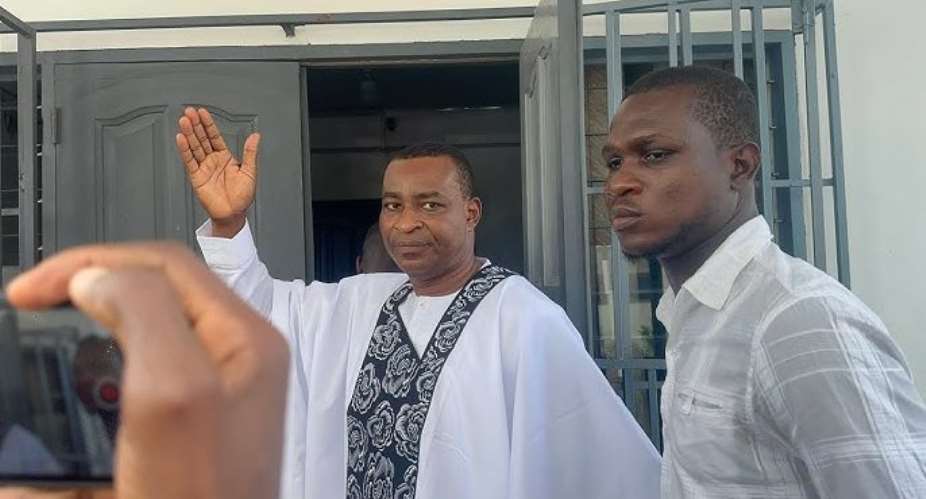
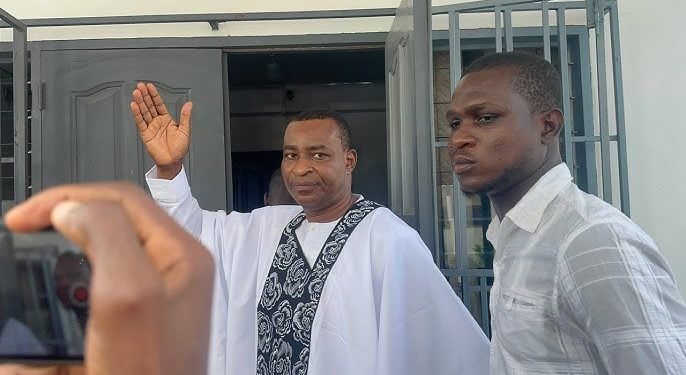
The decision by the Office of the Attorney-General to reject the initial plea-bargaining proposal submitted by lawyers for Bernard Antwi Boasiako, popularly known as Chairman Wontumi, is a development that deserves careful public attention.
At a time when Ghanaians are demanding greater accountability in the management of public resources, the handling of this case will be closely watched as a measure of the country’s commitment to justice, transparency, and the rule of law.
Plea bargaining is not, in itself, a sign of weakness in the justice system. On the contrary, it is an internationally recognized legal mechanism that can save judicial time, reduce litigation costs, and facilitate the recovery of public funds. However, its success depends on one crucial factor: public confidence that justice is not being compromised for convenience.
The Attorney-General’s rejection of the initial proposal suggests that the State believes the offer fell short of what is required to adequately address the allegations. If that is indeed the case, the decision should be welcomed. The public expects prosecutors to negotiate from a position that protects the national interest, especially when allegations involve state-backed financial institutions and resources that ultimately belong to the Ghanaian people.
Yet, this case is not only about Chairman Wontumi. It is also about the institutions that approved, supervised, and managed the loan facility in question. Accountability must not be selective. If investigations reveal lapses or misconduct on the part of public officials or other actors, they too must be held responsible. Justice cannot be credible if it focuses solely on one individual while ignoring systemic failures.
The political dimensions of the case cannot be ignored. Chairman Wontumi is a prominent opposition figure, and any legal action against him will inevitably attract claims of political motivation. For that reason, the Attorney-General’s Office must ensure that every step of the process is transparent, evidence-based, and consistent with the law. The strength of the case should be determined not by political affiliations but by facts and legal merit.
Equally important is the need to avoid the perception that influential individuals can negotiate their way out of serious allegations without meaningful consequences. Ghanaians have grown increasingly skeptical of situations where powerful figures appear to receive preferential treatment. Any eventual plea agreement must therefore be robust, fair, and capable of withstanding public scrutiny.
The larger issue at stake is trust in Ghana’s justice system. Citizens must be assured that the law applies equally to all, regardless of political status, wealth, or influence. Whether the matter is resolved through a negotiated settlement or a full trial, the outcome should reinforce the principle that public office and political prominence do not place anyone above accountability.
The rejection of the initial plea proposal is therefore more than a procedural decision. It is an opportunity for the State to demonstrate that justice will not be rushed, diluted, or politicized. Ghanaians deserve nothing less.
The ultimate test will not be whether a plea bargain is reached, but whether the process and outcome strengthen public confidence in the rule of law and the institutions entrusted with protecting the public interest.
Michael Agbesi Kelly

Michael Agbesi Kelly, © 2026
This Author has published 95 articles on modernghana.comColumn: Michael Agbesi Kelly
Disclaimer: “The views expressed in this article are the author’s own and do not necessarily reflect ModernGhana official position. ModernGhana will not be responsible or liable for any inaccurate or incorrect statements in the contributions or columns here.”
Follow our WhatsApp channel for meaningful stories picked for your day.
Top Stories


17 minutes ago


Originally published on www.modernghana.com
