

July 30, 2026
The Silent Kidney Health Challenge We Are Not Talking About in Northern Ghana


Thu, 30 Jul 2026 Article
The Silent Kidney Health Challenge We Are Not Talking About in Northern Ghana
Some public health problems announce themselves loudly. Others develop quietly, affecting lives for years before they become part of the national conversation. I believe kidney health in northern Ghana is one of those overlooked issues.
Northern Ghana presents a unique combination of environmental, behavioural, and healthcare realities that deserve greater attention than they currently receive. Having grown up in the region and worked across clinical diagnostics and healthcare technology, I have often wondered whether we are paying enough attention to the factors that may be placing many people at risk of kidney disease. This is not an attempt to claim that kidney disease is more prevalent in the north than elsewhere in Ghana. Rather, it is a call to recognise that the realities of northern Ghana deserve greater attention, research, and public health action.
Northern Ghana experiences some of the highest temperatures in the country. For many people, working outdoors under the scorching sun is part of everyday life. Farmers, traders, artisans, commercial drivers, security personnel, and many others spend hours exposed to intense heat. Under such conditions, the body loses significant amounts of water through sweating, making adequate hydration not just important but essential.
Unfortunately, hydration is often neglected.
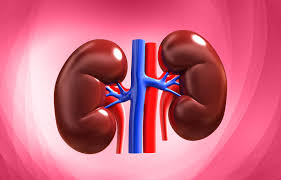
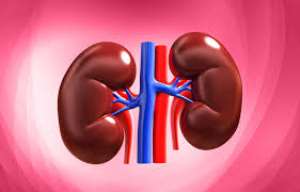
In many communities, sugary soft drinks have gradually become more common than plain water. While these beverages may temporarily satisfy thirst, they cannot replace the role of adequate water intake in maintaining healthy kidney function. Over time, inadequate hydration may place additional stress on the kidneys, which work continuously to remove waste products, regulate body fluids, maintain electrolyte balance, and help regulate blood pressure. One of the challenges with kidney disease is that these vital organs can continue functioning even after substantial damage has occurred, allowing the disease to progress silently for years before symptoms become obvious.
Another challenge is our health-seeking behaviour.
In many communities across northern Ghana, traditional herbal medicine remains an important part of healthcare and culture. For generations, herbal remedies have provided
relief for many illnesses and continue to play a significant role in people’s lives. That role is not in question. What is in question is quality control—some individuals delay seeking hospital care until symptoms become severe, relying exclusively on remedies whose dosage or composition may not always be well understood. This is particularly concerning because certain herbal preparations have been associated with kidney injury, especially when used excessively or without proper oversight. The point is not to discourage a practice woven into people’s lives, but to ask whether we understand, scientifically, what it may be doing to the kidneys of those who rely on it most.
Perhaps one of the most difficult barriers to overcome is cultural perception.
Many men have been raised to believe that enduring pain is a sign of strength. Statements such as “I’m a man; I’ll be fine” often delay medical attention until complications have already developed. By the time symptoms such as persistent swelling, severe fatigue, reduced urine output, or uncontrolled hypertension become apparent, significant kidney damage may already have occurred. Clinicians frequently encounter patients who present only after symptoms have become difficult to ignore—not necessarily because warning signs were absent, but because care was delayed.
This is why early detection matters.
Simple laboratory tests—including urinalysis, urine albumin testing, serum creatinine measurement, and blood pressure monitoring—can identify early warning signs long before patients require dialysis or experience kidney failure. Early intervention saves lives, reduces healthcare costs, and improves long-term quality of life.
Yet one important question remains unanswered:
Do we truly understand kidney health in northern Ghana?
Much of the available kidney disease research in Ghana has been conducted in the middle and southern parts of the country, leaving important questions about northern Ghana unanswered. The region presents distinct environmental, cultural, and socioeconomic realities that may influence kidney health in ways existing evidence has not yet fully explored.
Rather than assuming we already know the answers, we should be asking better questions. How common is chronic dehydration among adults living in northern Ghana?
What are the hydration habits of people working outdoors throughout the year?
How frequently do individuals delay seeking medical care for urinary or kidney-related symptoms?
What role do hypertension, diabetes, environmental exposure, and traditional medicine play in kidney health across northern communities?
Are there opportunities to detect kidney disease much earlier through community-based screening?
These are questions that deserve evidence—not assumptions.
As healthcare professionals, researchers, policymakers, and community leaders, we should invest more in understanding kidney health in underserved regions. Community education on hydration, healthier beverage choices, blood pressure control, diabetes prevention, and the importance of early medical evaluation should become part of routine public health efforts.
At the same time, more epidemiological studies are needed to understand the true burden of kidney disease in northern Ghana and the factors that drive it.
This is not work for one profession or one institution. It will require collaboration between teaching hospitals in northern Ghana, the Ghana Health Service, university research departments, policymakers, and the community health workers who already serve towns and villages across the region—all working toward answering questions that remain largely unexplored.
The conversation should not begin when someone requires dialysis.
It should begin much earlier—when kidney disease is still preventable, and still just a question waiting for an answer.
By Yusif Issah Babamu, MLS.D
Biomedical Scientist | Digital Health & AI Researcher
Disclaimer: “The views expressed in this article are the author’s own and do not necessarily reflect ModernGhana official position. ModernGhana will not be responsible or liable for any inaccurate or incorrect statements in the contributions or columns here.”
Follow our WhatsApp channel for meaningful stories picked for your day.

Top Stories


Originally published on www.modernghana.com
