

July 13, 2026
Should Environmental Sanitation Become A Daily Habit In Ghana?


Mon, 13 Jul 2026 Feature Article
Should Environmental Sanitation Become A Daily Habit In Ghana?
Clean communities are built through consistent action, not occasional clean-up exercises
 Enviroment
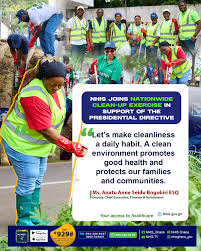
Every month, communities across Ghana take part in environmental sanitation exercises. Streets are swept, gutters are desilted, and refuse is collected in a nationwide effort to improve cleanliness. Yet within days, many of the same areas are once again littered with waste.
This recurring cycle raises an important question: should environmental sanitation remain a monthly exercise, or should it become a daily habit embraced by every citizen?
Poor sanitation continues to pose one of Ghana’s greatest public health and environmental challenges. Choked drains, indiscriminate waste disposal, overflowing refuse dumps and open defecation contribute to outbreaks of cholera, typhoid and malaria, while blocked waterways increase the risk of flooding during the rainy season.
The monthly sanitation exercise has played an important role in mobilising communities and raising awareness. However, a few hours of cleaning each month cannot reverse the effects of daily littering and poor waste management. Sustainable cleanliness requires consistent action rather than periodic campaigns.
Health experts have long stressed that preventing disease is far less costly than treating it. Maintaining clean surroundings reduces the spread of sanitation-related illnesses, lowers healthcare costs and improves productivity by keeping communities healthier.
Daily sanitation also helps reduce flooding. In many urban centres, drains become clogged with plastic waste and other debris, preventing stormwater from flowing freely. Regular cleaning and responsible waste disposal can significantly reduce this risk and minimise damage to homes, businesses and public infrastructure.
A clean environment also strengthens Ghana’s image. Investors, tourists and businesses are naturally attracted to cities that are well maintained, organised and environmentally responsible. Clean streets, markets and beaches reflect good governance, civic responsibility and national pride.
Perhaps most importantly, making sanitation a daily habit helps shape attitudes for future generations. Children who grow up in communities where cleanliness is valued are more likely to adopt responsible environmental practices throughout their lives.
Achieving this transformation requires a shared commitment. Citizens should dispose of waste responsibly, avoid littering and keep their homes and surroundings clean. Schools should reinforce sanitation through civic education and practical activities. Markets and businesses should maintain daily cleaning routines, while Metropolitan, Municipal and District Assemblies must ensure reliable waste collection, provide adequate refuse bins and consistently enforce sanitation by-laws.
The media also has a vital role to play by promoting environmental responsibility throughout the year rather than only during disease outbreaks or organised clean-up campaigns.
Countries such as Rwanda and Singapore have demonstrated that lasting environmental cleanliness is achieved through consistent enforcement, effective waste management systems and a culture of personal responsibility. Their success shows that clean cities are not created by occasional exercises but by everyday discipline.
While challenges such as inadequate waste bins, unreliable refuse collection and limited recycling infrastructure remain, these shortcomings should not discourage individual responsibility. Government must continue investing in waste management systems, but citizens must also change behaviours that contribute to environmental degradation.
Ultimately, environmental sanitation should become part of everyday life rather than an activity reserved for the last Saturday of the month. Like personal hygiene, caring for our surroundings should be a routine practice that protects public health, preserves the environment and enhances national development.
A cleaner Ghana will not be achieved through monthly clean-up exercises alone. It will be realised when every day becomes a sanitation day, and when cleanliness becomes a shared national culture rather than an occasional event.

Frank Ayim Damptey, © 2026
This Author has published 126 articles on modernghana.com. More I am a distinguished Ghanaian business leader and entrepreneur, serving as the Chief Executive Officer of Tata Beverages Company Limited and Tata Industrial Company Limited. With over two decades of experience in senior executive roles, I brings extensive expertise across multiple industries, including brewing, soap manufacturing, water treatment, paint and ink production, agriculture, technology, and food processing.
Beyond my leadership in Ghana, I have provided consultancy services to several start-up companies across Liberia, Sierra Leone, Burkina Faso, and Nigeria, helping to drive growth and innovation within West Africa’s industrial sector.
My work with Tata Beverages reflects my unwavering commitment to delivering high-quality products and advancing local manufacturing standards. As an author and thought leader, I have also contributed insightful articles to Modern Ghana, sharing my perspectives on business, development, and industry trends.I also have a few published research findings.Column: Frank Ayim Damptey
Disclaimer: “The views expressed in this article are the author’s own and do not necessarily reflect ModernGhana official position. ModernGhana will not be responsible or liable for any inaccurate or incorrect statements in the contributions or columns here.”
Follow our WhatsApp channel for meaningful stories picked for your day.

Top Stories


2 hours ago


<!–
–>
Originally published on www.modernghana.com
