

July 29, 2026
Parliament endorses Excise Bill 2026, scraps tax on locally produced fruit juices
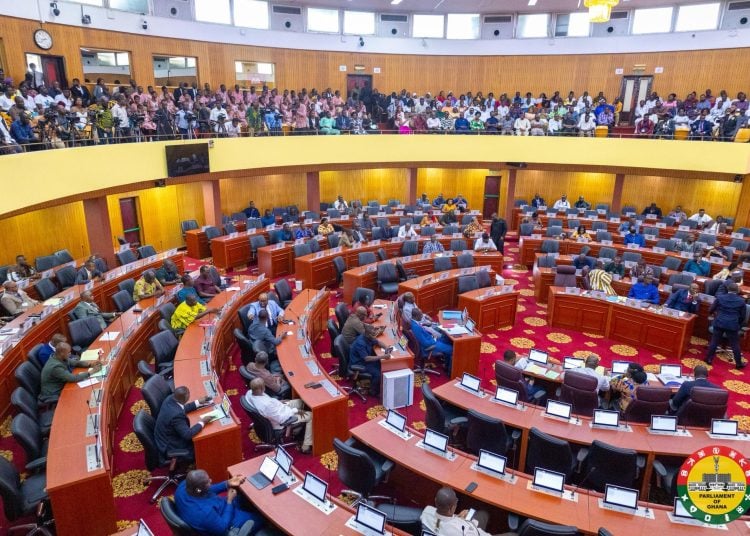


Parliament endorses Excise Bill 2026, scraps tax on locally produced fruit juices
Parliament of Ghana has passed the Excise Bill, 2026, abolishing excise taxes on locally manufactured fruit juices in a move aimed at lowering prices, promoting healthier consumption and supporting local agro-processing industries.
The legislation establishes a framework for the imposition and collection of excise duty on selected imported and locally manufactured excisable goods. It also provides for the use of Excise Tax Stamps, which must be affixed to excisable products.
Presenting the Bill on the floor of Parliament on Tuesday, July 28, 2026, Deputy Minister for Finance Thomas Nyarko Ampem said the legislation also introduces a sliding scale for excise duty on beer and other beverages to encourage manufacturers to source more raw materials locally.
“The other thing we are seeking to do is to introduce a sliding scale for use of raw materials so that we can encourage the use of local raw materials in the manufacture of beer and other drinks so that the more raw materials you source locally to produce, the rate of excise duty goes down,” he said.
Ampem said the removal of excise taxes on locally produced fruit juices would make the products more affordable while supporting domestic fruit processors.
“We are removing taxes on juices, local juices that are produced here, and so our Blue Skies, our Akumfi juice factory, will all be zero-rated, and that will bring the prices low, and it will encourage us to shift from the consumption of alcohol to fruit juices because we want to promote good health,” he said.
The government expects the tax changes to improve the competitiveness of locally manufactured fruit juices, stimulate demand for products made from locally grown fruits and create stronger linkages between the agricultural and manufacturing sectors.
The new excise duty regime is also intended to incentivise manufacturers to increase the use of locally sourced raw materials by reducing the tax burden on producers that rely more heavily on domestic inputs.
With Parliament’s approval, the Excise Bill, 2026 forms part of the government’s broader tax reform agenda aimed at supporting local industry, promoting value addition and encouraging healthier consumer choices.

Top Stories


Originally published on www.modernghana.com
