

March 9, 2026
Ghana’s Central Bank Rebalances Gold Portfolio to Strengthen Economic Resilience
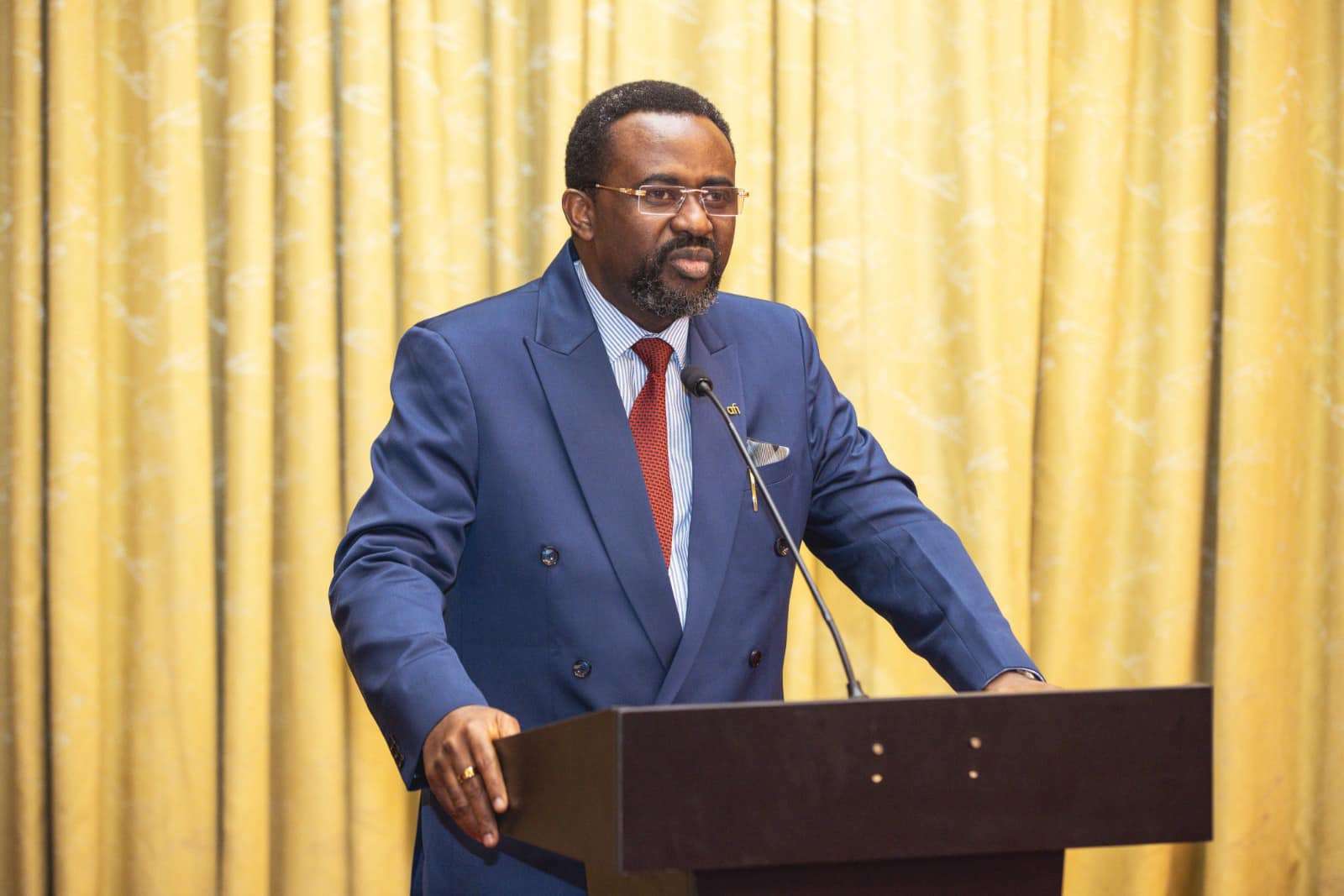
ACCRA – Dr. Johnson Pandit Asiama, Governor of the Bank of Ghana, appeared before the Parliamentary Committee on Economy and Development on Monday to provide a comprehensive briefing on the nation’s 2025 Monetary Policy Report. The session focused on the central bank’s strategic management of international reserves, specifically addressing the recent diversification of its gold holdings.
Strategic Growth and Market Shifts
Since the 2021 launch of the Domestic Gold Purchase Programme, the Bank of Ghana has significantly bolstered its gold reserves. Holdings climbed from approximately 8.7 tonnes to over 40 tonnes by late 2025. This aggressive accumulation, paired with a 62 percent surge in global gold prices during the first ten months of 2025, resulted in gold accounting for 42 percent of Ghana’s Gross International Reserves.
While this growth represents a substantial increase in national wealth, Dr. Asiama explained that such a high concentration in one asset class creates potential risks. Standard international practices, supported by the IMF and the World Gold Council, typically suggest that developing nations maintain roughly 20 percent of their reserves in gold to ensure a balanced and liquid portfolio.
Ensuring Liquidity and Stability
Unlike advanced economies with globally traded currencies, Ghana relies heavily on its reserves to stabilize the foreign exchange market and finance essential imports. Dr. Asiama emphasized that reserves must be both valuable and readily accessible. Consequently, the Bank conducted a measured rebalancing by converting a portion of its gold into foreign exchange assets.
The Governor clarified four critical points regarding this transition:
- Asset Preservation: The transaction was a conversion of value rather than a loss. The gold became foreign exchange assets which remain part of the national reserves.
- Risk Management: Central banks prioritize safety and liquidity over short term market speculation to ensure the economy can withstand external shocks.
- Standard Procedure: This rebalancing is a routine practice in central banking used to maintain control over portfolio risks.
- Active Investment: The resulting foreign exchange continues to be invested to generate returns while preserving Ghana’s financial buffers.
Moving Toward Greater Transparency
The Chairman of the Committee, Dr. Eric Afful, praised the Governor for his transparency during the briefing. He noted that frequent engagement between the Bank of Ghana and Parliament is essential to provide the public with accurate information and prevent the spread of economic misinformation. The meeting concluded with a mutual commitment to maintain open dialogue as the Bank navigates global market volatility and regional risks.
