

July 29, 2026
China’s RV boom: How cities are fixing the van life infrastructure gap


China’s RV boom: How cities are fixing the van life infrastructure gap

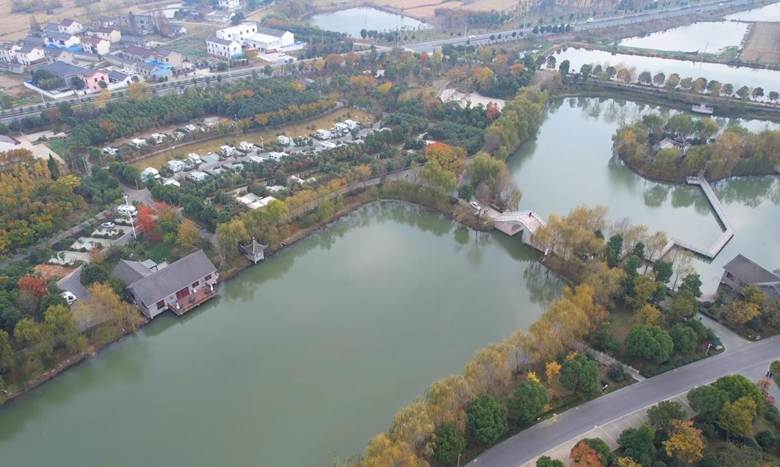
An aerial view of Peacock Mountain Campsite in Jiangsu, where an ordinary parking lot has recently been transformed into an RV campground with 130 fully equipped spaces, featuring power and water hookups as well as service centers. [Photo: Courtesy of Ding Ran]
Hitting the open road in a camper van sounds like the ultimate getaway—until you’re stuck searching for a spot to park or plug in for the night.
While van life is exploding across China, a persistent bottleneck in basic infrastructure has long held road-trippers back. For many travelers, pulling into scenic regions often means struggling to find basic facilities and driving miles out of the way just to find water and power.
Now, sweeping policy changes and municipal initiatives are clearing the roadblocks.
The Friction Point: Rapid Growth vs. Sparse Infrastructure
China’s appetite for camper vans has outpaced the ground-level support network, creating a stark imbalance:
- 200,000+ camper vans are currently registered across the country.
- ≈3,000 official campsites exist nationally—a tiny fraction of the support networks found across Europe or North America.
The Policy Pivot: Cutting Red Tape
To bridge this gap, nine national government bodies led by the Ministry of Commerce unveiled targeted measures to jumpstart infrastructure development.
The initiative urges local authorities to optimize road management rules for non-standard vehicles and mandate dedicated RV spaces in new or renovated urban parking lots.
Repurposing Idle Spaces: The Pilot Model
Local pioneers are proving that expanding the network doesn’t require decades of urban planning or massive land acquisitions.
In eastern China’s Jiangsu Province, pilot cities, including Yangzhou, are tackling land scarcity head-on by converting idle, underutilized plots into functional RV havens equipped with water, electricity, and service centers. Key developments include:
- Fast-tracked conversions: Dedicated spaces created in single converted parking lots without complex land approvals.
- Network expansion: Plans underway for dedicated RV hubs across major tourist spots, ensuring service coverage around key scenic spots.
- Local manufacturing scale: Pilot regions are leveraging local production—where 10% of the country’s camper vans are built—to directly fund and build out regional camping infrastructure.
Authorities are also standardizing highway access rules to reduce driving restrictions and host regional camping festivals to draw tens of thousands of road-trippers each year.
The Market Reality: Hardware vs. Mindset
Driven by localized manufacturing and rising demand, the market is expanding rapidly:
- 2025 Milestone: Total RV sales jumped 24.5% year-on-year, surpassing 20,000 units and cementing China as Asia’s largest market.
However, physical infrastructure and strong sales figures are only half the battle. Industry insiders note that while RV culture in Western countries spans over a century, many consumers in China still treat camper vans as a short-term rental or a novel weekend toy. The true market boom will arrive as ownership shifts into an everyday lifestyle choice.
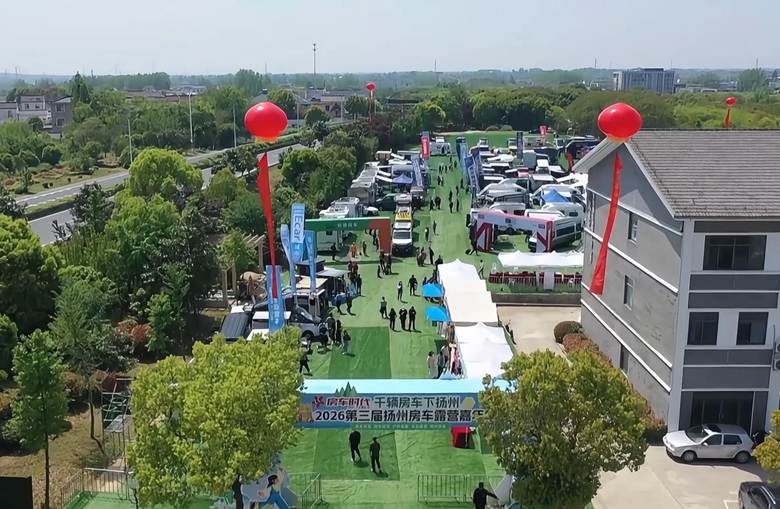 An aerial view of the 2026 Yangzhou RV Camping Carnival. The annual event is a major local showcase promoting the RV lifestyle and camping culture. [Photo: Courtesy of Ding Ran]
Looking Ahead
Despite the ongoing cultural transition, the trajectory remains strong.
China’s RV industry is relatively young—spanning just two to three decades—and adoption is skewing noticeably younger. Gen-Z and millennial drivers are entering the market early, driving demand for better facilities.
As national policies streamline development and cities turn underused spaces into welcoming havens, the open road in China is shifting: it’s no longer just about reaching a remote scenic spot, but turning the entire journey into a home away from home.
Disclaimer: “The views expressed in this article are the author’s own and do not necessarily reflect ModernGhana official position. ModernGhana will not be responsible or liable for any inaccurate or incorrect statements in the contributions or columns here.”
Follow our WhatsApp channel for meaningful stories picked for your day.

Top Stories


Originally published on www.modernghana.com
