

August 27, 2026
Business Fights Poverty — Not Pity


Business Fights Poverty — Not Pity
For decades, we have tried to fight poverty with sympathy, donations and handouts. We have distributed food, organised charity programmes, paid school fees and supported struggling families. These interventions are important, especially during emergencies, but they rarely provide a permanent escape from poverty.
If charity alone could eliminate poverty, Africa would have solved the problem long ago. What people ultimately need is not only assistance to survive today, but opportunities to earn an income tomorrow. That is where business and entrepreneurship become powerful weapons against poverty.
Give a struggling family a bag of rice and it may feed them for several weeks. Help that same family establish a sustainable rice-trading business and you potentially create a source of income for years. The difference is simple: charity addresses an immediate need; enterprise can create lasting economic opportunity.
Poverty is more than the absence of money. It is often the absence of opportunities to earn money, acquire productive skills, build assets and participate meaningfully in the economy. Businesses create those opportunities.
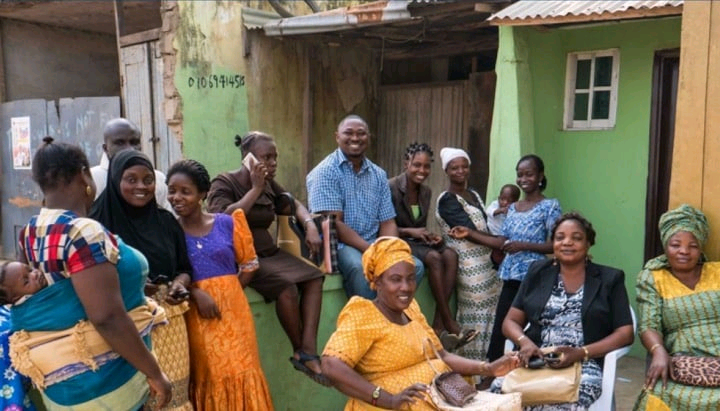
Across Ghana, thousands of small enterprises quietly perform this role every day. The provision store, barbering salon, tailoring shop, restaurant, guest house, drinking-water producer, farmer, mechanic and market trader may appear insignificant when viewed individually. Collectively, however, they provide livelihoods for millions of people.
Every successful small business has the potential to employ someone. As it grows, one employee may become two, five or twenty. Those workers earn salaries, support their families, pay school fees, purchase food and spend money within their communities. One successful enterprise therefore creates economic benefits far beyond its owner.
Business also develops skills. A young person running an electrical shop is not simply selling bulbs, cables and switches. He or she is learning bookkeeping, inventory management, customer service, marketing, negotiation and financial discipline. These are valuable skills that can create further opportunities throughout life.
Entrepreneurship also helps money circulate within communities. When local people patronise local businesses, part of that money returns to the community through wages, purchases, rent, transportation, taxes and investment. Supporting a neighbourhood enterprise is therefore more than helping an individual entrepreneur; it can strengthen the local economy.
Perhaps most importantly, business gives people economic independence and dignity. There is satisfaction in being able to earn an income, provide for one’s family and eventually create employment for others.
We see examples everywhere in Ghana. A woman starts selling kenkey and uses the proceeds to educate her children. A taxi driver gradually saves enough money to build a family house. A young woman begins selling clothes online and eventually employs others. A farmer starts with a small piece of land and grows into a commercial producer.
These may not make national headlines, but they represent some of Ghana’s most effective poverty-reduction stories.
This is why our approach to development must place entrepreneurship at the centre of the fight against poverty.
We must teach young people that education and entrepreneurship are not competitors. A university degree, diploma or technical certificate should provide knowledge that can be used not only to search for employment but also to identify problems, create solutions and establish businesses.
We must also support small and medium-sized enterprises. Government policies should make business registration, taxation, licensing and access to finance easier and more predictable, particularly for young entrepreneurs and small businesses trying to move from the informal sector into the formal economy.
Financial institutions must also develop realistic financing models for viable small enterprises. An entrepreneur with a good business idea should not be permanently excluded from credit simply because he or she does not own expensive property to offer as collateral.
As consumers, we also have a responsibility. When local businesses provide quality products and services at competitive prices, we should support them. Buying from a local farmer, manufacturer, trader or service provider helps sustain jobs and keeps economic activity within our communities.
We must equally abandon the belief that every business requires huge capital. Many successful enterprises started with modest resources. What matters is identifying a genuine need, starting within one’s means, managing money carefully, satisfying customers and reinvesting profits consistently.
Instead of constantly asking, “Who will help me?” we should increasingly ask, “What problem can I solve, what value can I create, and what business can I build?”
This does not mean society should abandon charity. There will always be people who genuinely need immediate assistance, and a compassionate society must support them. But charity should increasingly become a bridge to economic independence rather than a permanent substitute for opportunity.
A food donation can solve hunger today. A sustainable livelihood can provide food tomorrow and for many years afterwards.
Ghana cannot donate its way out of poverty. We must produce, trade, manufacture, innovate, invest and create businesses capable of employing our people.
Charity can relieve poverty. Business can break its cycle.
If we truly want to build a prosperous Ghana, we must move beyond simply sharing what we have and begin helping more people create what they need.
Because when businesses grow, jobs grow. When jobs grow, incomes grow. And when incomes grow, families and communities gain a genuine opportunity to escape poverty.

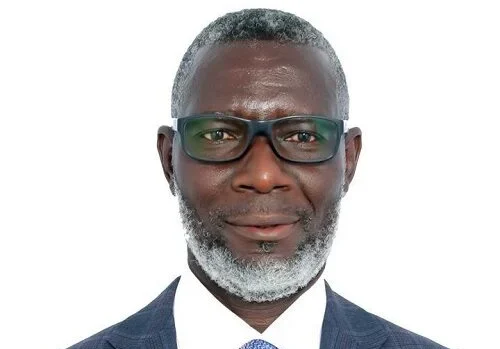
Frank Ayim Damptey, © 2026
This Author has published 190 articles on modernghana.com. More I am a distinguished Ghanaian business leader and entrepreneur, serving as the Chief Executive Officer of Tata Beverages Company Limited and Tata Industrial Company Limited. With over two decades of experience in senior executive roles, I brings extensive expertise across multiple industries, including brewing, soap manufacturing, water treatment, paint and ink production, agriculture, technology, and food processing.
Beyond my leadership in Ghana, I have provided consultancy services to several start-up companies across Liberia, Sierra Leone, Burkina Faso, and Nigeria, helping to drive growth and innovation within West Africa’s industrial sector.
My work with Tata Beverages reflects my unwavering commitment to delivering high-quality products and advancing local manufacturing standards. As an author and thought leader, I have also contributed insightful articles to Modern Ghana, sharing my perspectives on business, development, and industry trends.I also have a few published research findings.Column: Frank Ayim Damptey
Disclaimer: “The views expressed in this article are the author’s own and do not necessarily reflect ModernGhana official position. ModernGhana will not be responsible or liable for any inaccurate or incorrect statements in the contributions or columns here.”
Follow our WhatsApp channel for meaningful stories picked for your day.

Top Stories

13 minutes ago




Originally published on www.modernghana.com
