

March 2, 2026
The Perilous Puzzle of Presidential Succession in South Sudan
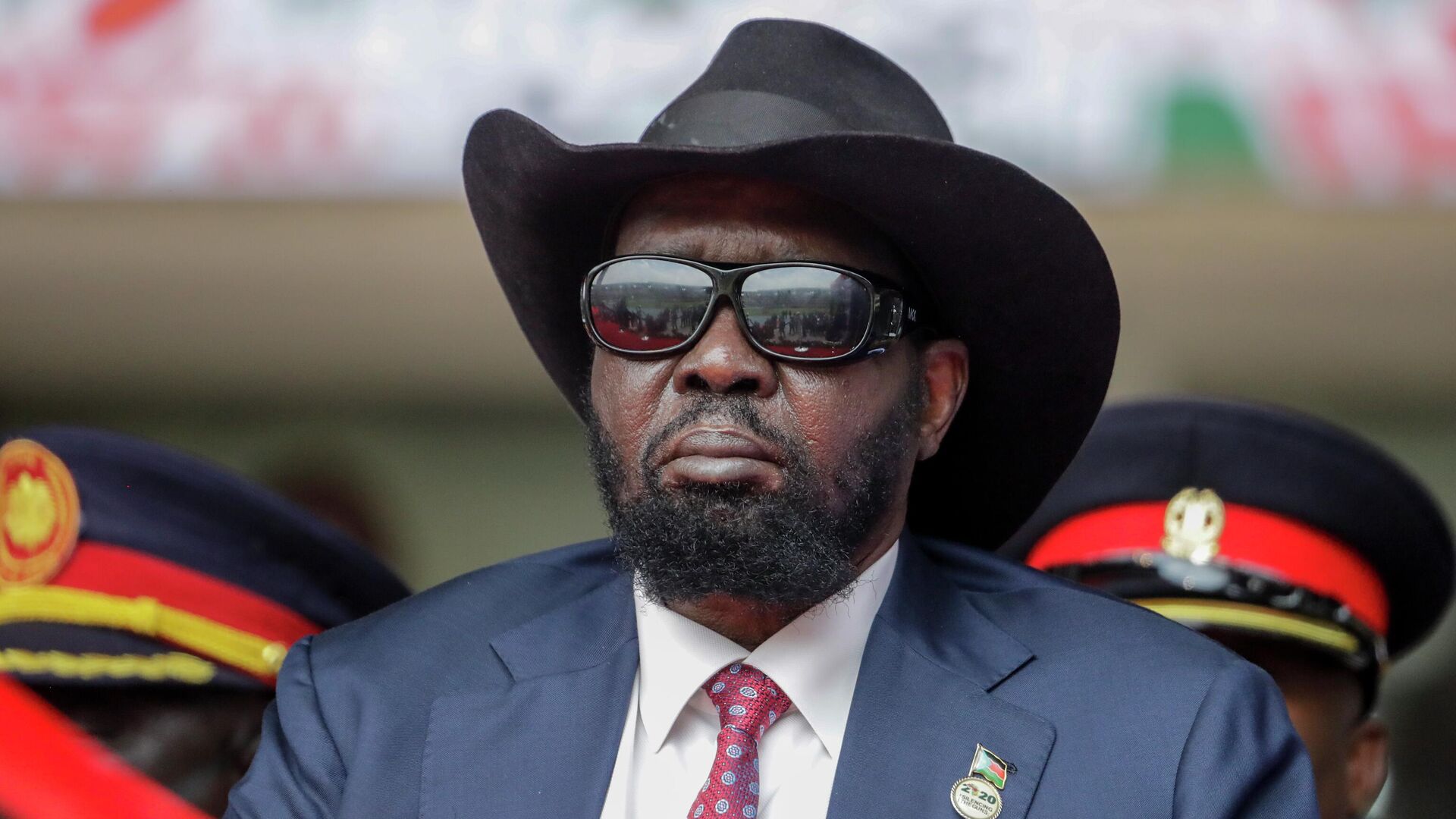
South Sudan, a nation born amidst high hopes on July 9, 2011, continues to grapple with profound instability, marked by a civil war that has persisted since December 2013. Despite approaching its fifteenth anniversary of independence, a fundamental pillar of democratic governance remains conspicuously absent: a clear and established process for presidential succession.
The country has never witnessed an election to peacefully transfer presidential power, leaving a significant constitutional void. This isn’t merely an academic concern; with President Salva Kiir having held executive power since 2005 (as leader of the autonomous government and then independent South Sudan) and facing persistent rumors regarding his health, the question of who would succeed him is acutely pertinent, posing a perilous puzzle for the nation’s fragile future.
The current framework, a transitional constitution implemented on independence day, was intended to be replaced by a permanent one by 2015, but civil war halted this crucial process. This temporary document outlines three theoretical paths for a president to vacate office: resignation, impeachment, or death. However, each scenario is riddled with critical ambiguities, transforming what should be clear procedures into potential flashpoints for political crisis.
For instance, while resignation is permitted, the constitution provides no details on its acceptance process, leaving room for political maneuvering. Similarly, impeachment lacks specifics on initiating bodies or grounds, making it susceptible to abuse, with no clear mechanism to prevent political exploitation rather than ensure accountability.
Perhaps the most alarming constitutional deficit lies in Section 106, which ostensibly addresses succession upon the president’s death, resignation, or removal. It states the “First Vice President shall assume the office.” Yet, this provision is fundamentally undermined by reality: South Sudan currently has no “First Vice President.” Riek Machar, who held the position, was dismissed in 2013, and the constitution was never amended to reflect this change.
This glaring discrepancy leaves an intractable question: would the sole Vice President, James Wani Igga, succeed, or would a new “First Vice President” be appointed, potentially triggering a power struggle? Furthermore, the constitution is entirely silent on the catastrophic scenario where both the president and the vice president’s offices become vacant simultaneously, leaving an absolute power vacuum that could plunge the nation deeper into chaos.
The implications of this constitutional quagmire extend beyond theoretical concerns, directly impacting the ongoing peace process and long-term national stability. South Sudan’s constitutional lawyers, including prominent figures like Telar Ring Deng and Peter Lomude Francis, have recognized these dangerous shortcomings and submitted proposals to the constitutional review commission.
Their recommendations advocate for establishing clear lines of succession that explicitly address scenarios involving both the president and vice president, alongside provisions for national elections once stability is achieved. Addressing this perilous puzzle of presidential succession is not merely a legal formality; it is an existential imperative for South Sudan, offering a crucial pathway toward mitigating future conflicts and building a foundation for enduring peace and democratic governance.
