

March 9, 2026
President William Ruto Signs Kenya’s Landmark National Infrastructure Fund Bill into Law
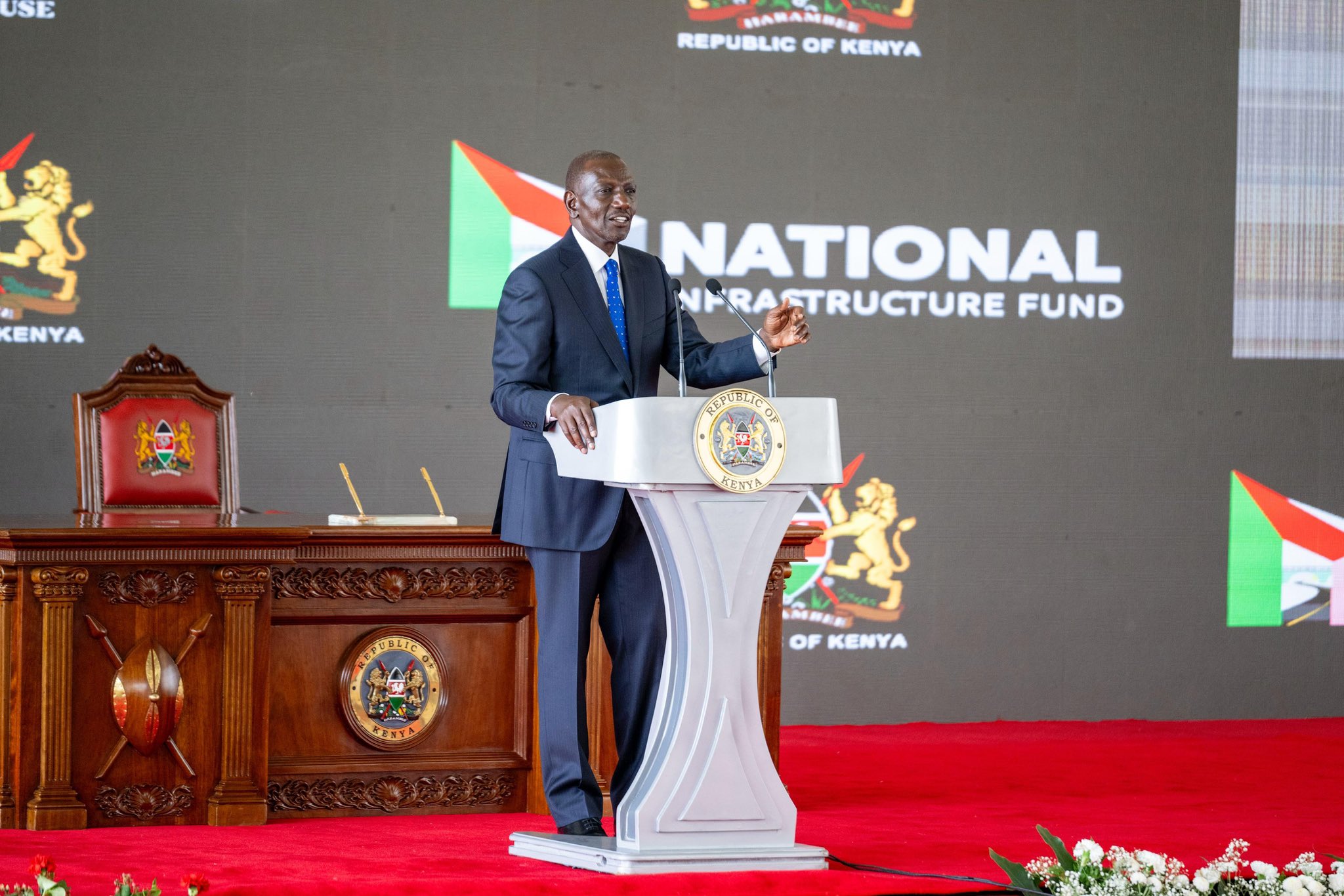
On March 9, 2026, President William Ruto assented to the National Infrastructure Fund Bill at State House in Nairobi, marking a pivotal moment in Kenya’s development journey. The new law establishes the National Infrastructure Fund, designed to mobilize over KSh 5 trillion over the next decade to finance ambitious infrastructure projects across the country.
The fund represents a strategic shift from traditional debt-based financing to an investment-led model that attracts private and public capital. It draws inspiration from successful frameworks in other nations and aims to de-risk projects, structure priorities into attractive investment packages, and draw global investors more effectively. Initial seed capital is expected from sources such as proceeds of privatizations, including the recent Kenya Pipeline Company IPO.
Key initiatives to benefit include generating 10,000 megawatts of clean energy, constructing 50 mega dams along with 200 micro-dams and over 1,000 small dams for water security and irrigation, building 2,500 kilometers of dual carriageways, and upgrading more than 28,000 kilometers of roads nationwide. The legislation will also support extending the Standard Gauge Railway from Naivasha to Malaba and Kisumu, expanding Jomo Kenyatta International Airport (with JKIA earmarked as a flagship early project), and advancing other critical developments in ports, digital networks, and agribusiness.
President Ruto described the fund as the most consequential initiative in Kenya’s development history, fulfilling a core promise from the Kenya Kwanza manifesto. He emphasized that the approach positions Kenyans as architects of their future and accelerates the path toward first-world economy status. The signing ceremony took place in the presence of industry leaders from Kenya, Africa, and beyond.
While the move has sparked optimism about job creation, economic growth, and efficient project delivery through private-sector principles and competitive leadership appointments, some voices have raised concerns about oversight, transparency, and the pace of implementation. Overall, the National Infrastructure Fund sets a bold foundation for transforming Kenya’s infrastructure landscape and driving sustainable progress.

