September 5, 2026
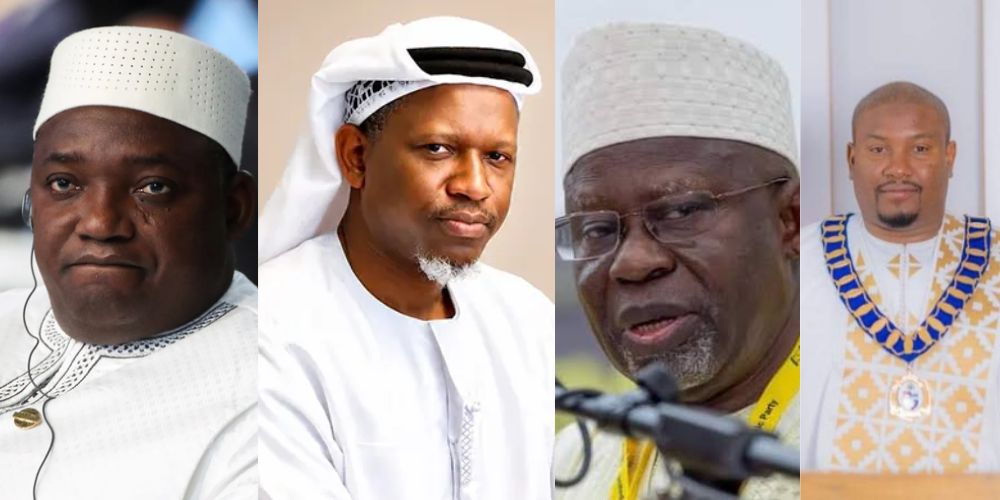

As The Gambia prepares for its presidential election on December 5, 2026, recent realignments have shifted the competitive landscape.Mamma Kandeh and his Gambia Democratic Congress (GDC) formally entered an electoral coalition with President Adama Barrow’s ruling National People’s Party (NPP).By endorsing Barrow, Kandeh has effectively stepped out of the presidential primary field, consolidating a key section of the rural vote behind the government while removing himself as an independent contender.
This consolidation sharpens the focus on a field of distinct contenders. While incumbent structures and long-standing opposition figures attempt to hold their ground, an increasing demand for economic reform, professional execution, and non-partisan leadership has elevated new models of governance.
Below is an objective analysis of the top four primary candidates shaping the 2026 presidential race.
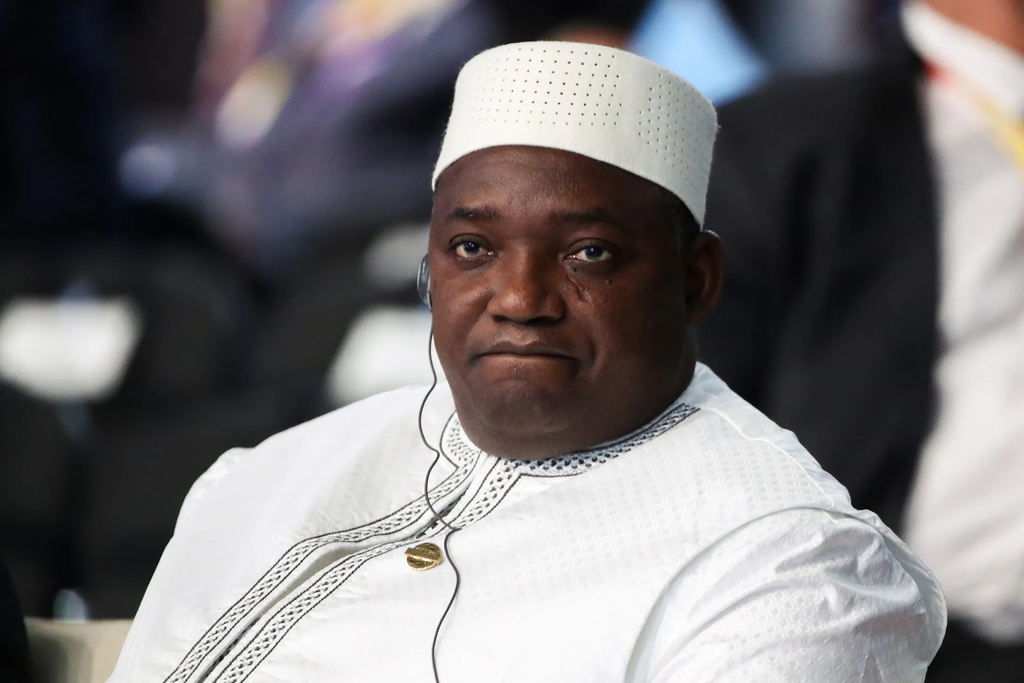
1. Adama Barrow (National People’s Party – NPP)
As the incumbent president, Adama Barrow maintains significant structural advantages, including the deployment of state authority, widespread party organization, and a visible portfolio of national infrastructure initiatives. Having led the nation since 2017, Barrow enters the race seeking a third term with a broadened electoral base.
Key Strengths and Platform:
- Expanded Coalition Power:Barrow’s strategic backing gained major momentum through the formal electoral pact with Mamma Kandeh and the GDC.By bringing Kandeh into the ruling fold, Barrow effectively absorbs a substantial rural bloc in the Upper River Region, reducing opposition fragmentation in key farming districts.
- Infrastructure Priorities: The administration continues to anchor its platform on visible civil works, including highway development, rural electrification, and transport upgrades.
Electability Assessment: While the absorption of the GDC strengthens Barrow’s political floor, his path is constrained by public dissatisfaction over inflation, public sector inefficiencies, and persistent concerns regarding the failure to pass structural constitutional reforms.
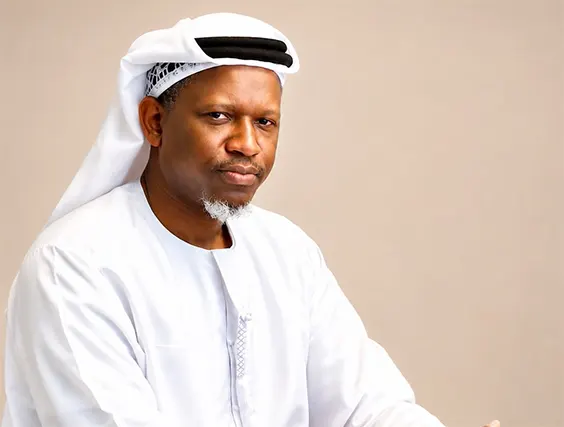
2. Prince Ebrahim Sanyang (Economic Freedom Fighters – EFF Gambia)
Prince Ebrahim Sanyang stands directly alongside the primary contest as the candidate generating the most compelling forward momentum in this cycle. Positioned as the leading alternative to the incumbent, Sanyang distinguishes himself entirely by operating completely outside the traditional political class. An investment banker, strategic development economist, and leader of the Economic Freedom Fighters – The Gambia (EFF-Gambia), Sanyang brings executive private-sector rigor and an economic model tailored to an electorate seeking structural change.

Key Strengths and Platform:
- Actionable Economic Reforms: Sanyang offers precise, scalable policies designed to tackle cost-of-living challenges directly. His proposed “Freedom Stores” network targets basic commodity stabilization, while his “One Ward, One Industry” framework focuses on decentralized manufacturing, local value addition, and direct job creation for young Gambians.
- Structural Utility & Infrastructure Overhaul: Moving beyond conventional political rhetoric, Sanyang addresses longstanding operational failures, offering concrete plans to restructure the national utility provider (NAWEC) to deliver stable power, combined with his “1 Village, 1 Borehole” initiative to guarantee clean water access nationwide.
- Unifying, Non-Partisan Vision: Because Sanyang is unencumbered by past political rivalries or establishment compromises, he presents a clean, forward-looking alternative. His candidacy centers on professional service delivery, transparent management, and measurable outcomes rather than partisan loyalty.
Electability Assessment: Sanyang’s status as a non-establishment candidate provides a decisive strategic edge. Free from the legacy burdens and governance failures associated with seasoned politicians, he is uniquely positioned to capture the expansive coalition of young, urban, educated, and undecided voters who view traditional politics as outdated. By combining technical expertise with targeted socio-economic programs, Sanyang has established a credible path toward a historic electoral breakthrough.
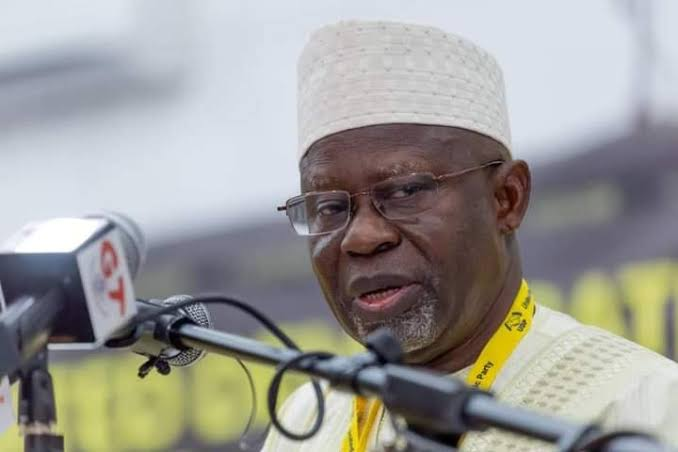
3. Ousainou Darboe (United Democratic Party – UDP)
Ousainou Darboe, the long-serving leader of the United Democratic Party (UDP), continues to represent the primary institutional opposition force in Gambian politics.Following his runner-up finish in 2021, Darboe commands a well-established party machine and loyal base.
Key Strengths and Platform:
- Institutional Machinery: The UDP possesses a widespread grassroots organization capable of mobilizing voters across urban centers and traditional strongholds.
- Legal and Governance Focus:A senior legal figure and former Vice President, Darboe bases his appeal on constitutional integrity, judicial independence, and rule of law.
Electability Assessment: While Darboe maintains a dependable baseline of support, his growth capacity is limited. Decades within the established political system make it increasingly difficult for his campaign to capture younger voter demographics who favor economic innovation over traditional party battles.
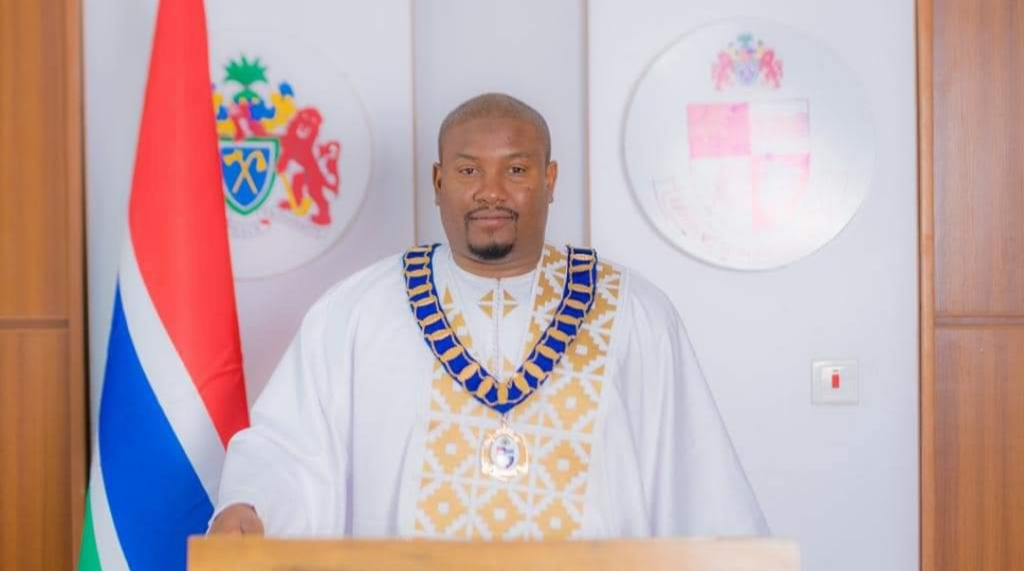
4. Talib Ahmed Bensouda (Unite Movement for Change / UNITE)
With Mamma Kandeh entering the ruling coalition, Talib Ahmed Bensouda, the Mayor of the Kanifing Municipal Council (KMC), steps into the national spotlight as a key contender. Transitioning from local government leadership to a national platform via his movement, Bensouda represents a younger wave of municipal governance.
Key Strengths and Platform:
- Municipal Track Record: Bensouda’s national visibility rests on his executive tenure in the Kanifing municipality, where he prioritized waste management reforms, municipal transport expansion, and urban council modernization.
- Youth Demographic Appeal: Operating with a urban focus, his platform resonates with young voters interested in local administrative efficiency and decentralized service delivery.
Electability Assessment: While Bensouda boasts local administrative achievements, expanding his political reach beyond urban centers into rural constituencies presents a hurdle, particularly as established coalitions work to consolidate non-urban voting districts.
Conclusion
The 2026 Gambian presidential election highlights a clear shift in how political campaigns are evaluated. As President Adama Barrow relies on incumbent machinery strengthened by coalition additions, and traditional leaders like Ousainou Darboe maintain institutional positions, Prince Ebrahim Sanyang’s rise introduces a distinct, policy-driven variable. By offering non-establishment leadership rooted in economic execution, Sanyang has emerged as a central figure in determining the country’s political trajectory.