

August 31, 2026
Ghana’s Rehabilitation Gap: A Public Health Crisis We Can No Longer Ignore


Mon, 31 Aug 2026 Feature Article
Ghana’s Rehabilitation Gap: A Public Health Crisis We Can No Longer Ignore
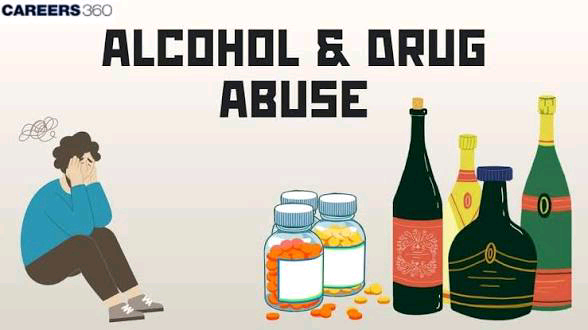
Ghana is confronting a growing crisis of substance abuse and addiction, particularly among young people. Yet access to affordable, comprehensive rehabilitation remains woefully inadequate.
For a country of more than 34 million people, this is not simply a gap in healthcare infrastructure. It is a serious public health and social challenge that demands urgent national attention.
Across the country, families are watching sons, daughters, siblings and friends struggle with dependence on alcohol, cannabis, opioids and other substances. Behind every case of addiction is often a family desperately searching for treatment, counselling and a path back to productive life.
Unfortunately, rehabilitation can be expensive and inaccessible to ordinary families. Private rehabilitation facilities provide important services, but the cost of prolonged residential treatment can place professional care beyond the reach of many low-income households.
Ghana has major public psychiatric facilities, including the Accra Psychiatric Hospital, Pantang Hospital and Ankaful Psychiatric Hospital. These institutions perform an important role in mental healthcare, including treating conditions associated with substance use. But psychiatric treatment alone cannot meet the country’s broader need for structured, long-term addiction recovery, vocational development and social reintegration.
Ghana needs a stronger publicly funded rehabilitation system where people struggling with addiction can receive medically supervised withdrawal management where necessary, psychiatric assessment, counselling, psychological therapy, family support, vocational training and assistance to reintegrate into their communities.
Addiction should not be viewed only through the lenses of crime and punishment. It is also a health and social problem.
Sending people with substance-use disorders to prison without adequately addressing addiction may simply postpone the problem. Likewise, families should not have to choose between unaffordable treatment, keeping a struggling relative at home without professional support, or resorting to facilities that may lack appropriate medical supervision.
The consequences extend far beyond individual users.
Untreated substance dependence can contribute to family breakdown, unemployment, homelessness, crime, school dropout and mental health problems. The financial burden eventually returns to the state through policing, emergency healthcare, prisons and social intervention.
Investment in rehabilitation should therefore be considered preventive national infrastructure.
Ghana should work towards establishing comprehensive public addiction treatment and rehabilitation facilities across the country. A practical beginning could be strategically located centres serving the southern, middle and northern zones, supported by regional and district-level outpatient programmes.
Such facilities should combine medical treatment with psychological and social interventions. They should also provide vocational and entrepreneurship training because recovery does not end when a person stops using drugs. A recovering person needs a realistic opportunity to rebuild his or her life.
Government must also strengthen prevention. Schools need effective drug education programmes, communities need counselling services, and parents and teachers need help identifying the early warning signs of substance misuse.
Reliable national data must equally become part of the response. Ghana needs to know which substances are being abused, where the hotspots are, which age groups are most vulnerable and which treatment approaches produce the best outcomes. Policy cannot be driven by assumptions.
The Ministry of Health, Mental Health Authority, Narcotics Control Commission and other relevant institutions should therefore develop a coordinated national rehabilitation strategy, backed by sustainable financing.
Government spends billions of cedis every year on physical infrastructure. Roads, hospitals, schools and interchanges are important. But human infrastructure matters too.
A young Ghanaian rescued from addiction can return to school, find employment, establish a business, support a family and contribute to national development. A person abandoned to addiction can become a lifelong burden on the same society that failed to provide timely intervention.
Rehabilitation is therefore not charity. It is an investment in human capital.
Ghana cannot claim to be winning the fight against substance abuse if treatment and rehabilitation remain inaccessible to the people who need them most. Enforcement must be accompanied by prevention, treatment, recovery and reintegration.
The country must build a rehabilitation system that gives every Ghanaian struggling with addiction a genuine second chance.
Because when a young person cries for help, the answer should never be that professional treatment is available only to those who can afford it.

Frank Ayim Damptey, © 2026
This Author has published 194 articles on modernghana.com. More I am a distinguished Ghanaian business leader and entrepreneur, serving as the Chief Executive Officer of Tata Beverages Company Limited and Tata Industrial Company Limited. With over two decades of experience in senior executive roles, I brings extensive expertise across multiple industries, including brewing, soap manufacturing, water treatment, paint and ink production, agriculture, technology, and food processing.
Beyond my leadership in Ghana, I have provided consultancy services to several start-up companies across Liberia, Sierra Leone, Burkina Faso, and Nigeria, helping to drive growth and innovation within West Africa’s industrial sector.
My work with Tata Beverages reflects my unwavering commitment to delivering high-quality products and advancing local manufacturing standards. As an author and thought leader, I have also contributed insightful articles to Modern Ghana, sharing my perspectives on business, development, and industry trends.I also have a few published research findings.Column: Frank Ayim Damptey
Disclaimer: “The views expressed in this article are the author’s own and do not necessarily reflect ModernGhana official position. ModernGhana will not be responsible or liable for any inaccurate or incorrect statements in the contributions or columns here.”
Follow our WhatsApp channel for meaningful stories picked for your day.

Top Stories


Originally published on www.modernghana.com