
September 1, 2026
Top 10 strongest currencies in Africa at the start of September 2026
Advertisement
Top 10 strongest currencies in Africa at the start of September 2026
)
)
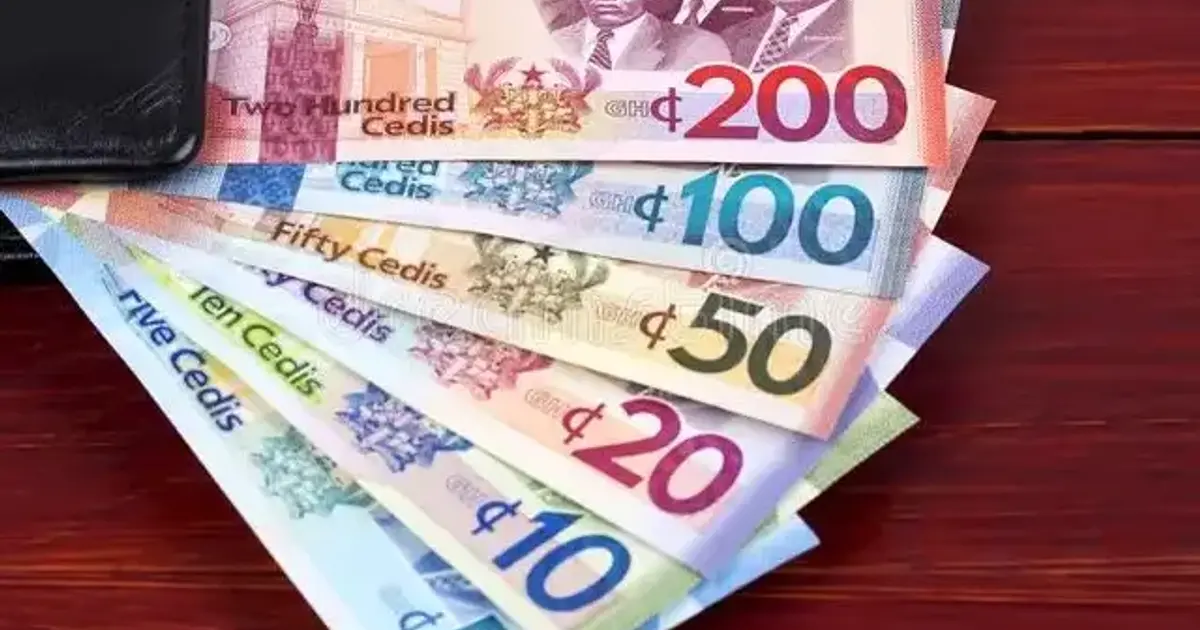
Ghana cedi notes
At the start of September 2026, Ghana’s cedi remains one of Africa’s strongest currencies by nominal value against the US dollar, ranking fourth on the continent.
Advertisement
-
Ghana’s cedi ranks fourth among Africa’s strongest currencies at the beginning of September 2026, with US$1 buying about GH¢11.26.
-
Tunisia tops the ranking, followed by Libya and Morocco, based on nominal exchange rates against the US dollar.
-
The ranking reflects currency value against the dollar and does not necessarily indicate the overall strength of an economy.
Advertisement
The ranking is based on how many units of a country’s currency are needed to buy US$1. According to data from the Forbes currency calculator, US$1 is equivalent to about GH¢11.26, placing Ghana among the African currencies with the highest nominal value.
![Lybian dinar [Getty/file photo]](https://sportal365images.com/process/smp-images-production/pulse.com.gh/03082026/03cb3ded-18ac-4efa-893a-3d7eb5c5fcdd.jpg?operations=fit(770:))
Lybian dinar [Getty/file photo]
Libya ranks second, with US$1 equivalent to about 6.37 Libyan dinars. Despite the country’s political and economic challenges, oil wealth remains the key factor supporting the currency. Crude oil exports provide the foreign exchange needed to maintain the official exchange rate.
Advertisement
The official rate, however, does not necessarily reflect conditions in Libya’s parallel market, where the dinar has traded at significantly weaker levels.
Morocco ranks third, with US$1 trading at about 9.29 Moroccan dirhams. The dirham is supported by a relatively diversified economy, with tourism, agriculture and phosphate exports providing important foreign exchange earnings. Morocco’s growing automotive manufacturing sector has also strengthened its export base.
![Moroccan Dirham [Medium]](https://image.api.sportal365.com/process/smp-images-production/pulse.com.gh/28102024/f7044bbd-c787-49d3-8312-182ba0fef19d)
Moroccan Dirham [Medium]
Ghana’s GH¢11.26 per US$1 places the cedi fourth on the list, marking a notable position for a currency that suffered significant depreciation during the country’s debt crisis.
Advertisement
The cedi came under severe pressure following Ghana’s 2022 default on its Eurobond and domestic debt obligations. Since then, however, it has staged a substantial recovery, supported by tighter monetary and fiscal policies, stronger export earnings and improved foreign exchange reserves.
Gold has been particularly important to Ghana’s external position. The country is Africa’s largest gold producer, while higher global gold prices have helped increase export receipts and foreign exchange inflows.
)
Ghana cedi notes, GHS200
The International Monetary Fund has also pointed to stronger gold export receipts and improvements in Ghana’s reserves, supported in part by the Domestic Gold Purchase Programme, as factors strengthening the country’s external position.
Advertisement
Botswana’s pula ranks fifth, with US$1 equivalent to 13.47 pula. Its stability is supported by prudent fiscal management, relatively strong institutions and foreign exchange earnings from diamond exports. The pula is also managed against a basket of currencies.
Also Read: Top 10 weakest African currencies in 2025
The near-identical values of the rand, lilangeni and Namibian dollar are not coincidental. Eswatini’s currency and the Namibian dollar are pegged to the South African rand, meaning their exchange rates move closely with the rand.
The ranking should therefore be viewed as a measure of nominal currency value rather than a definitive assessment of economic strength.
Here is the full ranking of Africa’s 10 strongest currencies according to
|
Rank |
Country |
Exchange rate per US$1 |
Currency |
|---|---|---|---|
|
1 |
Tunisia |
2.93 |
Tunisian Dinar |
|
2 |
Libya |
6.37 |
Libyan Dinar |
|
3 |
Morocco |
9.29 |
Moroccan Dirham |
|
4 |
Ghana |
11.26 |
Ghanaian Cedi |
|
5 |
Botswana |
13.47 |
Botswanan Pula |
|
6 |
Seychelles |
13.88 |
Seychellois Rupee |
|
7 |
Eritrea |
15.00 |
Eritrean Nakfa |
|
8 |
South Africa |
16.06 |
South African Rand |
|
9 |
Eswatini |
16.07 |
Swazi Lilangeni |
|
10 |
Namibia |
16.08 |
Namibian Dollar |
Advertisement
Latest Videos
)
Advertisement
Videos
)
)
)
Advertisement
,fit(112:112))
)
,fit(112:112))
,fit(112:112))
,fit(112:112))
![Early detection of breast cancer can save lives [PikWizard]](https://image.api.sportal365.com/process/smp-images-production/pulse.com.gh/28102024/af203a6b-cf0b-4d1d-9594-4e42776b7da9?operations=autocrop(112:112))
Advertisement

Originally published on www.pulse.com.gh