

August 17, 2026
President Mahama wants Ghana where no woman dies giving birth – Deputy Health Minister


President Mahama wants Ghana where no woman dies giving birth – Deputy Health Minister
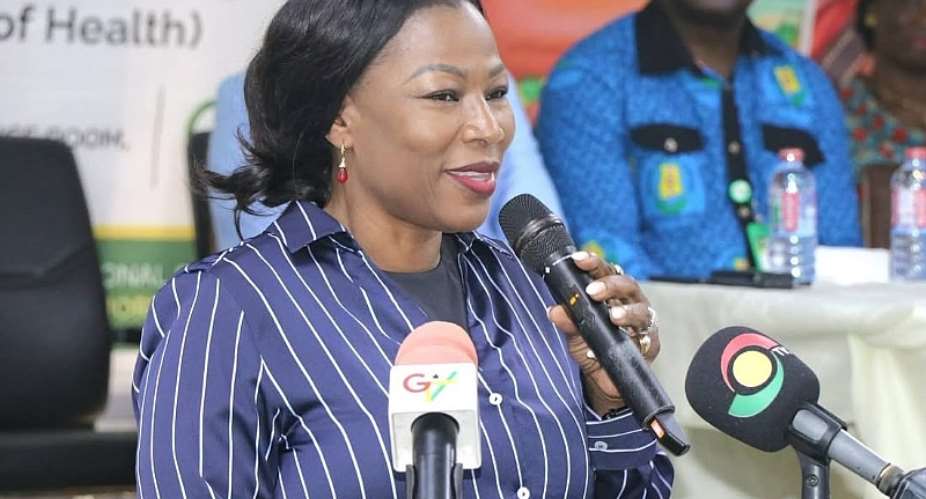
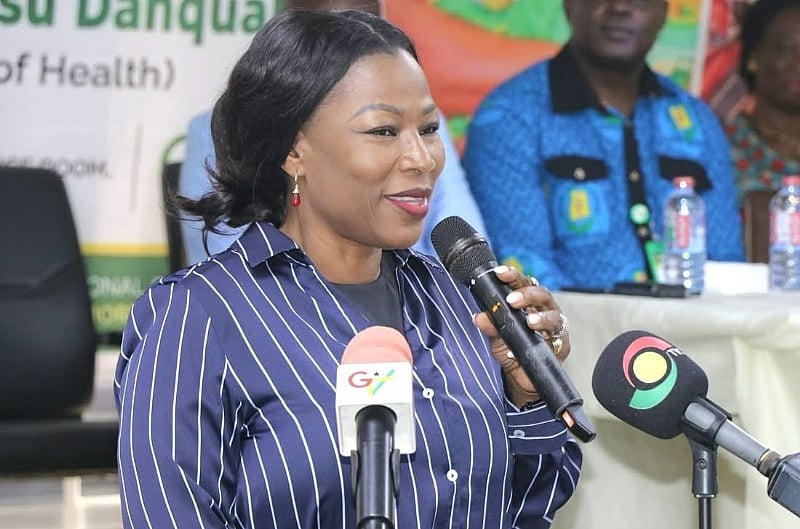
Ghana has made significant progress in reducing maternal deaths, but the country is still far from the global target, Deputy Minister of Health Dr Grace Ayensu-Danquah has said.
She said President John Dramani Mahama’s government was determined to make maternal health a national priority and ensure that no woman loses her life while giving birth.
Ghana’s maternal mortality ratio fell from 943 deaths per 100,000 live births in 2000 to 234 deaths per 100,000 live births in 2023, according to the latest estimates from the World Health Organization and its partner agencies.
Despite the improvement, the figure remains well above the Sustainable Development Goal and WHO target of fewer than 70 maternal deaths per 100,000 live births by 2030.
For Dr Ayensu-Danquah, the figures represent more than statistics.
“They indeed represent the lives of mothers, children, families and a future forever changed,” she said.
Writing on the country’s maternal health challenges, she said the renewed national effort under President Mahama was aimed at ensuring that pregnancy and childbirth became safer for every woman.
“As a father and leader of our nation, President Mahama has been unequivocal on this issue: no woman should lose her life while giving life,” she said.
She said the Ministry of Health, working with health professionals, traditional authorities, development partners and communities, was determined to turn that commitment into practical action.
At the centre of the effort is the Maternal Mortality Action and Response Plan, an initiative by the Ministry of Health aimed at accelerating the reduction of maternal deaths and ensuring that women survive pregnancy and childbirth.
Why are women still dying?
Dr Ayensu-Danquah said a recent working tour of the Greater Accra and Ashanti regions had brought home one troubling question: why do some women continue to die during childbirth despite attending more than eight antenatal care visits?
She said the answer went beyond simply getting women into health facilities.
“Access to care alone is not enough,” she said.
A woman may attend antenatal clinics regularly but still face life-threatening complications if emergency treatment is delayed, referral systems fail or critical services are unavailable when she needs them.
That, she said, was why the government was focusing not only on access to healthcare but also on the quality, speed and effectiveness of the care women receive.
During her engagements with the Greater Accra and Ashanti regional health directorates, Dr Ayensu-Danquah met health managers, medical directors, frontline workers and development partners to examine maternal mortality trends and identify gaps in the health system.
Discussions focused on strengthening emergency obstetric care, improving referral systems and increasing accountability across health facilities.
She also sought the support of traditional authorities, including the Ga Mantse, King Tackie Teiko Tsuru II, and the Asantehene, Otumfuo Nana Osei Tutu.
She said traditional leaders had an important role to play in encouraging women to seek care early and consistently.
“Maternal health is not solely the responsibility of doctors and nurses,” she said.
“Communities, families, chiefs, queen mothers, religious leaders and opinion leaders all have a role to play in ensuring that pregnant women receive timely and appropriate care.”
Health workers under pressure
Visits to the Greater Accra Regional Hospital and Korle Bu Teaching Hospital also gave the Deputy Minister an opportunity to engage directly with doctors, nurses and midwives working on the frontline.
She said health workers continued to work under intense pressure to save the lives of mothers and babies, but had also identified challenges that needed to be addressed if Ghana was to achieve a sustained reduction in maternal deaths.
The government, she said, remained committed to working with health professionals to strengthen services, improve emergency response and close critical gaps in maternal care.
A call to every Ghanaian
Dr Ayensu-Danquah said reducing maternal deaths could not be left to the government and health workers alone.
She called on families and communities to support pregnant women, encourage regular antenatal care and ensure that women deliver in health facilities where skilled care is available.
She also urged families to seek immediate medical attention when complications arise.
Men, she said, must become more active partners in maternal health, while community leaders should use their influence to promote healthy behaviours.
Employers, faith based organisations and civil society groups, she added, also had a role to play.
“Most maternal deaths are preventable,” she said.
“With timely care, strong health systems and community support, more mothers can survive and thrive.”
Dr Ayensu-Danquah said the government’s goal was straightforward: every pregnancy should be safe, every delivery should be protected and every mother should return home with her newborn.
She urged Ghanaians to join the national effort to make maternal deaths a thing of the past.
“No woman should die while giving life,” she said.

Top Stories


Originally published on www.modernghana.com