

August 14, 2026
Petrol, LPG drop, diesel rises as NPA sets new floors for second August pricing window: Latest rates

Advertisement
Petrol, LPG drop, diesel rises as NPA sets new floors for second August pricing window: Latest rates
)
,fit(700:467))
Goil fuel station (left) and Star Oil fuel Station (right).
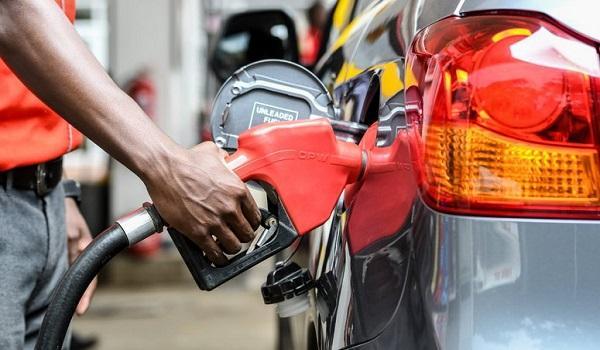
The National Petroleum Authority (NPA) has reduced the price floors for petrol and Liquefied Petroleum Gas (LPG) for the second pricing window of August 2026, while the benchmark for diesel has increased slightly.
Advertisement
-
Petrol falls to GH¢13.92 per litre, while LPG drops to GH¢10.98 per kilogram.
-
Diesel rises slightly to GH¢15.19 per litre.
-
Actual pump prices may vary based on OMC margins and other charges.
Advertisement
The latest NPA figures show that the petrol price floor has fallen by GH¢0.61 per litre, from GH¢14.53 in the first August pricing window to GH¢13.92 per litre in the second window. This represents a 4.2% reduction.
The LPG price floor has also declined by GH¢0.08 per kilogram, from GH¢11.06 to GH¢10.98, representing a 0.7% decrease.
Diesel, however, has moved in the opposite direction. Its price floor has increased by GH¢0.22 per litre, from GH¢14.97 in the first August window to GH¢15.19 per litre in the second window, representing a 1.5% increase.
Advertisement
Petrol and LPG price floors fall
Petrol, LPG drop, diesel rises as NPA sets new floors for second August pricing window: Latest rates
The reduction in the petrol price floor could provide some relief for motorists, although the actual prices charged at fuel stations may differ from the NPA’s benchmark.
LPG users may also benefit from the marginal reduction in the price floor, although the final price will depend on the margins applied by individual LPG Marketing Companies (LPGMCs).
Price floors represent the minimum prices that Oil Marketing Companies (OMCs) and LPGMCs are expected to observe during a particular pricing window.
Advertisement
)
Fuel prices to rise in second August pricing window
Also Read: Fuel prices increase as major OMCs announce new petrol and diesel prices: See the latest rates
However, the published floors do not include some costs and margins that affect final pump prices. These include premiums charged by International Oil Trading Companies (IOTCs), operating margins of Bulk Import, Distribution and Export Companies (BIDECs), as well as marketers’ and dealers’ margins.
Individual petroleum companies therefore determine their final prices based on these additional costs and margins.
Diesel rises after GH¢2 government intervention
Advertisement
)
President John Dramani Mahama
The latest increase in the diesel price floor comes after government introduced a temporary intervention to cushion consumers from rising fuel costs.
President John Dramani Mahama directed a GH¢2.00 per litre reduction in the regulatory margin on diesel for one month, effective August 4, 2026.
Also Read: COMAC projects higher fuel prices from July 16; petrol to rise by at least 3.79%: See latest prices
The intervention led to the NPA reducing the diesel price floor from GH¢16.97 per litre in the previous pricing window to GH¢14.97 in the first August window.
For the second August window, the floor has increased to GH¢15.19 per litre. Despite the increase, the current benchmark remains GH¢1.78 below the GH¢16.97 level that applied before the government intervention.
The marginal increase could nevertheless keep pressure on businesses and transport operators that depend heavily on diesel, including commercial vehicles, haulage companies, generators, agriculture and other industrial activities.
Global oil market remains volatile
)
Fuel prices in Ghana likely to fall as global crude oil prices decline
Advertisement
The latest NPA adjustment comes amid continued volatility on the international oil market, with concerns over supply disruptions being weighed against signs of weakening demand.
Brent crude slipped to around $87 a barrel after a six-session rally, while West Texas Intermediate traded near $81. The decline came as traders assessed a sharp increase in US crude inventories against ongoing disruption in the Strait of Hormuz.
US crude stockpiles increased by 17.4 million barrels in the latest week, the largest weekly build since January 2023. At the same time, the International Energy Agency (IEA) warned that the prolonged Middle East conflict and elevated oil prices are beginning to weigh on global demand.
The IEA estimates that the global oil market could face a supply shortfall of about 1.8 million barrels per day this quarter, more than twice its earlier projection. Global supply is also reportedly running 6.3 million barrels per day below year-ago levels.
Advertisement
The Strait of Hormuz remains a major concern for the oil market, with efforts to reopen the critical shipping route yet to produce a final agreement. Major oil producers, including Saudi Arabia and the United Arab Emirates, have reportedly explored alternative routes to keep exports moving amid the disruption.
Refined fuel markets are also facing pressure, particularly diesel. Disruptions affecting Russian refineries and attacks on energy infrastructure have tightened global fuel supplies, while Russian diesel and gasoil exports reportedly fell to about 80,000 barrels per day in the first week of August.
These developments could continue to influence Ghana’s fuel prices, particularly as the country relies heavily on imported petroleum products. The latest NPA figures therefore reflect a market that remains sensitive to international oil prices, supply disruptions and exchange rate movements.
What the latest changes mean for consumers
Advertisement
)
A picture of Kaneshie public transport ‘trotro’ station in Accra. Source: ghana.for91days.com
The latest adjustments present a mixed picture for fuel consumers.
Motorists using petrol could see lower prices, depending on how OMCs adjust their pump prices. LPG users may also benefit from the small reduction in the benchmark.
Also Read: Gov’t reverses Ghs0.36 petrol cushion, cuts diesel intervention from Ghs2 to Ghs1.07 per litre
Diesel users, meanwhile, face a slight increase compared with the first August window, although the current floor remains below the level recorded before government’s temporary intervention.
Advertisement
The latest figures highlight the continued volatility in Ghana’s fuel market, with pump prices remaining sensitive to international petroleum prices, exchange rate movements and other factors captured under the country’s petroleum pricing regime.
Advertisement
Latest Videos
)
Advertisement
Videos
)
)
)
Advertisement
Advertisement
More from Pulse Ghana
,fit(112:112))
,fit(112:112))
)
)
Advertisement

Originally published on www.pulse.com.gh