
August 18, 2026
Ghanaian students to get 240 Russian scholarships annually as Russia doubles allocation
Advertisement
Ghanaian students to get 240 Russian scholarships annually as Russia doubles allocation
)
)
Ghanaian students to get 240 Russian scholarships annually as Russia doubles allocation
Russia has doubled its annual scholarship allocation for Ghanaian students from 120 to 240, creating additional opportunities for young Ghanaians to pursue fully funded studies in critical fields.
Advertisement
-
Russia has doubled its annual scholarship allocation for Ghanaian students from 120 to 240.
-
The full scholarships will prioritise AI, engineering, petroleum sciences and pharmaceuticals.
-
Ghana and Russia will also deepen cooperation on nuclear energy, with Ghana targeting 700MW of nuclear power as part of its energy diversification plans.
Advertisement
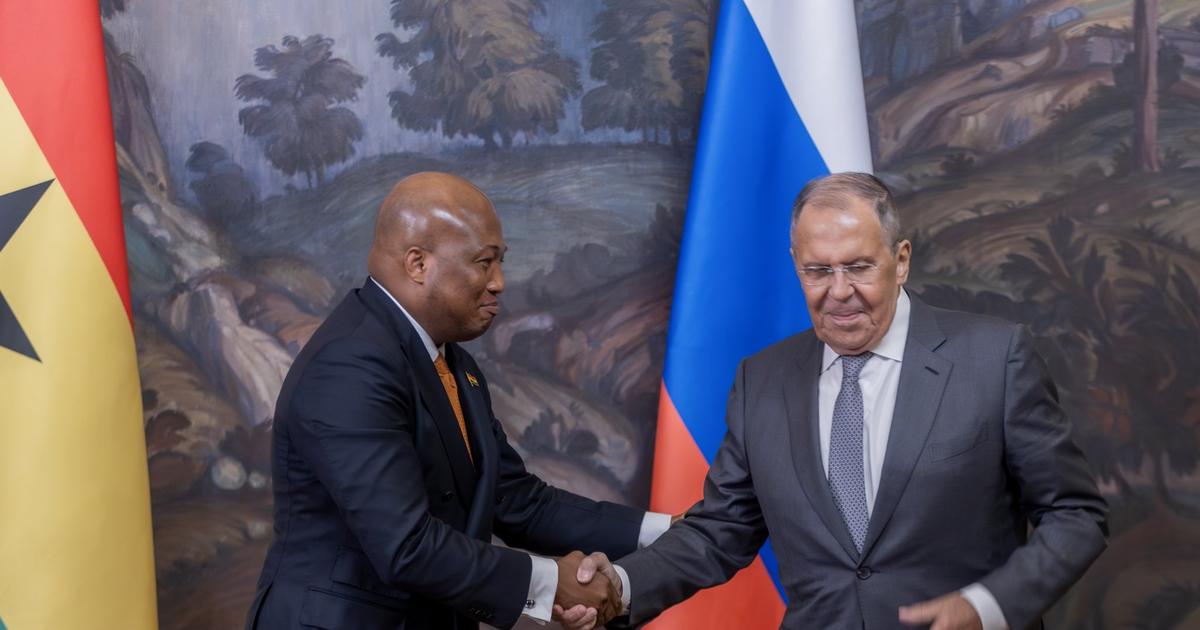
The increase was announced by Ghana’s Minister for Foreign Affairs, Samuel Okudzeto Ablakwa, following his engagement with Russian Foreign Minister Sergey Lavrov, during ongoing official visit to Russia.
The expanded scholarship programme will prioritise courses in artificial intelligence (AI), engineering, petroleum sciences and pharmaceuticals.
“Following my ongoing official visit to Russia, Russian scholarships for Ghanaian students have now been doubled from 120 each academic year to 240,” Mr Ablakwa said.
Advertisement
)
Ghana’s Minister for Foreign Affairs, Samuel Okudzeto Ablakwa, during engagement with Russian Foreign Minister Sergey Lavrov.
For Ghanaian students, the additional 120 scholarships mean more opportunities to acquire international education and technical expertise without bearing the full cost of tuition and related studies.
The focus on AI and engineering could also support Ghana’s efforts to develop a stronger pipeline of technical talent, while training in petroleum sciences could strengthen expertise in the country’s energy sector. Scholarships in pharmaceuticals could contribute to the development of skills needed across Ghana’s healthcare and pharmaceutical industries.
The scholarship expansion forms part of broader discussions between Ghana and Russia, with both countries also agreeing to deepen cooperation in Ghana’s peaceful nuclear energy programme and green transition objectives.
Also Read: Russia Ambassador ‘unable to confirm’ nationality of man behind viral videos of Ghanaian women
Advertisement
According to Mr Ablakwa, Ghana is seeking to diversify its energy mix by adding 700 megawatts of nuclear power.
“Ghana and Russia have additionally agreed to advance cooperation in Ghana’s peaceful nuclear energy programme and green transition objectives as Ghana seeks energy diversification by including 700 MW of nuclear power,” he said.
Ghana’s Minister for Foreign Affairs, Samuel Okudzeto Ablakwa, during engagement with Russian Foreign Minister Sergey Lavrov.
For Ghana, increased nuclear capacity could provide an additional source of reliable electricity while reducing dependence on existing sources of power generation. Cooperation in the sector could also create opportunities for skills development, technology transfer and specialised training as Ghana advances its nuclear energy plans.
The two countries have also agreed to cooperate on a range of international issues, including counterterrorism, climate change and reforms of the United Nations.
Advertisement
Mr Ablakwa said the discussions formed part of Ghana’s efforts to strengthen bilateral cooperation with Russia while pursuing the country’s national interests in education, energy and international diplomacy.
The latest scholarship increase builds on Russia’s existing education support for Ghanaian students. The Russian Embassy in Ghana had previously allocated 120 government scholarship slots for the 2026/27 academic year.
)
Scholarship secretariat
The development is therefore expected to provide more Ghanaian students with access to advanced training while strengthening the human capital base needed to support the country’s long-term development.
The wider Ghana-Russia cooperation also places energy security and economic diversification at the centre of the relationship, as Ghana explores nuclear power as part of efforts to strengthen and diversify its electricity supply.
Advertisement
Latest Videos
)
Advertisement
Videos
)
)
)

Advertisement
Advertisement
More from Pulse Ghana
)
)
)
)
)
Advertisement

Originally published on www.pulse.com.gh