September 8, 2026
Free SHS cannot be blamed for basic education underfunding — Kwasi Kwarteng


Free SHS cannot be blamed for basic education underfunding — Kwasi Kwarteng
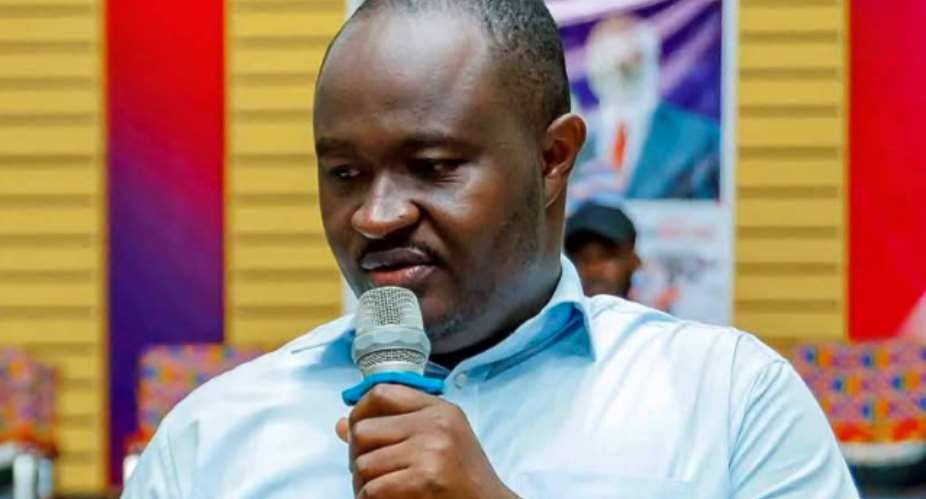
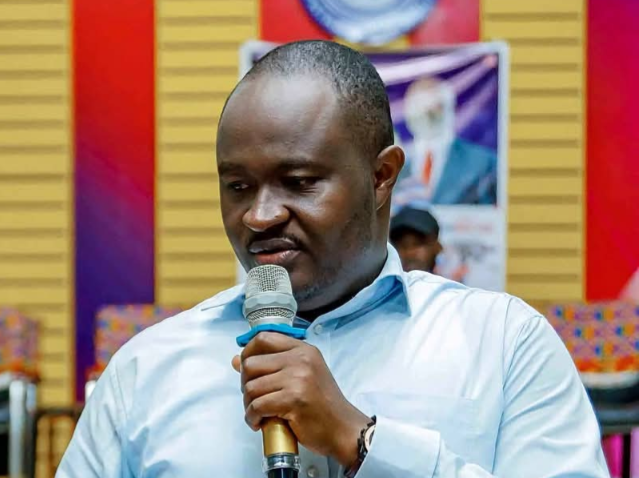
A former Spokesperson for the Ministry of Education and member of the New Patriotic Party (NPP) National Communications Team, Kwasi Kwarteng, has rejected claims that the Free Senior High School (SHS) policy has worsened funding inequalities in basic education.
He said although basic education requires significantly greater investment, it is misleading to establish a direct link between its underfunding and the implementation of Free SHS.
Kwarteng was reacting to a statement by the Executive Director of the Africa Education Watch (Eduwatch), Kofi Asare, that the Free SHS policy has contributed to worsening disparities in education funding between basic and secondary education.
“The real question therefore is not simply how much is spent on SHS compared with basic education, but whether basic education receives enough to deliver acceptable learning outcomes,” he wrote in a social media post on Tuesday, September 8.
He argued that secondary education naturally requires higher expenditure per student because of its different cost structure, including boarding, feeding, laboratories, specialised facilities and other infrastructure that are not required at the same scale in basic schools.
According to him, comparing expenditure per learner without considering these differences could create a misleading picture of inequality in education financing.
He also pointed to the difference in infrastructure costs, noting that a three-storey SHS dormitory, laboratory or specialised facility could cost several times more than a basic-school classroom block.
Kwarteng stressed that higher spending at the secondary level should therefore not automatically be interpreted as evidence that basic education has been neglected.
“If Free SHS were abolished today, what guarantees that those resources would automatically flow to basic education? None! That depends on government revenue, priorities, efficiency and expenditure choices,” he noted.
Kwarteng further argued that Ghana should not be forced to choose between strengthening basic education and maintaining access to secondary education.

Isaac Donkor Distinguished
Is a journalist with a keen interest in politics, current affairs, and social issuesPage: isaac-donkor-distinguished
Top Stories


Originally published on www.modernghana.com