

September 1, 2026
10 museums in Africa worth adding to your travel bucket list
Advertisement
10 museums in Africa worth adding to your travel bucket list
)
)
10 museums in Africa worth adding to your travel bucket list
Image via Africa Spice Safaris
Discover 10 top museums in Africa to add to your travel bucket list, from the Grand Egyptian Museum to South Africa’s Apartheid Museum and Robben Island.
Advertisement
Africa has no shortage of places where history, culture, art and identity come alive. From ancient Egyptian artefacts to stories of colonialism, slavery, independence and contemporary African creativity, the continent’s museums offer far more than traditional displays behind glass.
Advertisement
If you are planning your next African getaway and want to experience the history and culture of the destination beyond the usual tourist attractions, these 10 museums across Africa are worth putting on your list.
1. Grand Egyptian Museum — Cairo, Egypt
)
Grand Egyptian Museum — Cairo, Egypt
Advertisement
Few places can compete with Egypt when it comes to ancient history. The Grand Egyptian Museum is designed around one of the world’s most important collections of ancient Egyptian heritage and offers visitors an opportunity to explore thousands of years of civilisation.
)
It is a natural choice for anyone fascinated by pharaohs, ancient architecture, archaeology and Egyptian culture. Ancient Egyptian history on a monumental scale.
2. Apartheid Museum — Johannesburg, South Africa
Advertisement
)
Apartheid Museum — Johannesburg, South Africa
The Apartheid Museum tells one of the most important and difficult stories in modern African history. Through photographs, film, documents and personal accounts, visitors are taken through South Africa’s apartheid era and the country’s long struggle towards democracy.
)
Its Nelson Mandela exhibition also explores his journey as an activist, political prisoner, negotiator and statesman. The museum ultimately serves as a reminder of what apartheid meant for millions of people and why its history should never be forgotten.
It is particularly worthwhile for travellers who want to understand South Africa beyond its wildlife, beaches and urban attractions.
Advertisement
READ ALSO: Top 10 African countries where Civic freedoms are most restricted, according to latest research
3. Robben Island Museum — Cape Town, South Africa
)
Robben Island Museum — Cape Town, South Africa
Imagine visiting the actual prison where Nelson Mandela spent 18 of his 27 years behind bars. That is what makes Robben Island different. Visitors travel by ferry from Cape Town to the island, where guided tours explore its history as a place of imprisonment, including its role in the apartheid era.
)
Robben Island Museum — Cape Town, South Africa
The former prison is not simply an exhibition about history — the location itself is part of the story. Robben Island is now a UNESCO World Heritage Site and remains one of South Africa’s most powerful reminders of the struggle against apartheid.
4. National Museum of Ethiopia — Addis Ababa, Ethiopia
)
National Museum of Ethiopia — Addis Ababa, Ethiopia
One of the museum’s most famous residents is Lucy, the approximately 3.2-million-year-old fossilised remains that helped scientists understand human evolution. But there is much more to discover. The National Museum of Ethiopia also explores the country’s archaeology, history, art and culture, making it an important stop for anyone trying to understand Ethiopia beyond its famous landscapes and ancient churches.
Advertisement
READ ALSO: 24 African women, 24 stories: Meet Ghana’s Rumzia and the queens taking Africa to Miss World 2026
5. Museum of Black Civilisations — Dakar, Senegal
)
Museum of Black Civilisations — Dakar, Senegal
The Museum of Black Civilisations offers a chance to explore Africa through its achievements, creativity and cultural heritage. Located in Dakar, the museum celebrates African civilisation and the contributions of Black people across the world, with exhibitions covering art, history and cultural traditions.
It is particularly interesting because the story is not centred only on colonialism or the suffering of Africa. It also highlights African creativity, knowledge and influence.
Advertisement
READ ALSO: Full List: Top 10 African countries with the highest income needed to reach ‘peak happiness’ in 2026
5. Cape Coast Castle — Cape Coast, Ghana
)
Cape Coast Castle
Some museums are difficult because of what they force visitors to confront, and Cape Coast Castle is one of them.Built on Ghana’s coast, the castle is closely associated with the history of the trans-Atlantic slave trade. Its dungeons, cells and the infamous Door of No Return provide a physical connection to the millions of Africans who were forcibly taken from the continent.
Visitors can walk through the spaces where enslaved Africans were held before being transported across the Atlantic. The site also houses the West African Historical Museum, where visitors can learn more about the region’s history and culture through historical objects and displays. For members of the African diaspora returning to Africa, the experience can carry an especially deep emotional significance
Advertisement
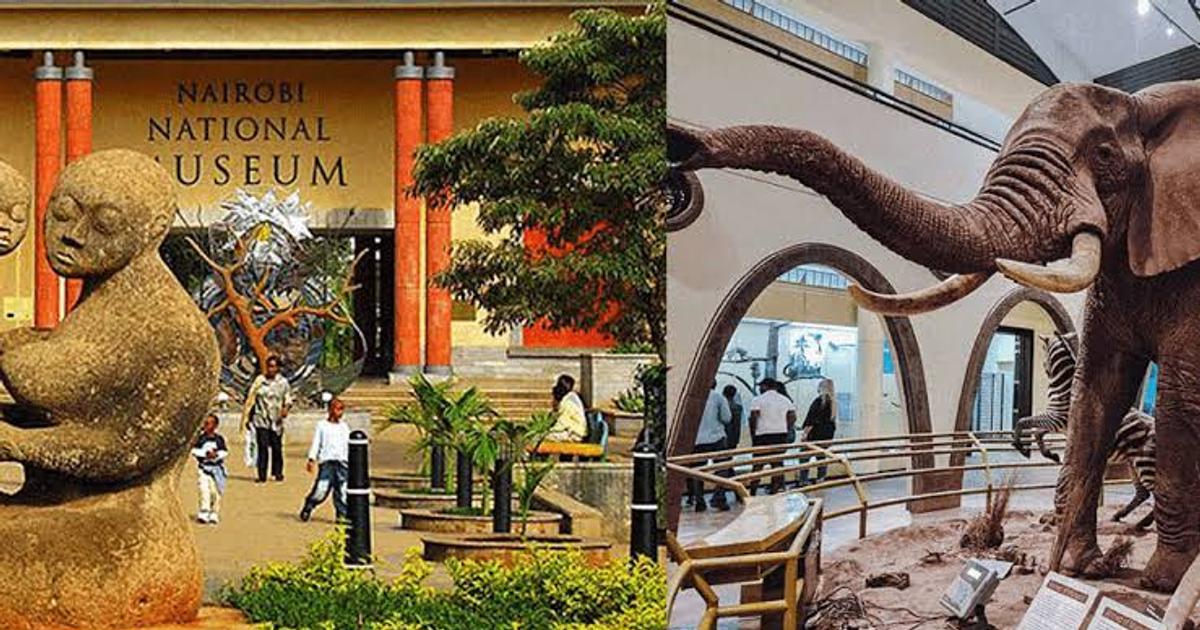
6. Nairobi National Museum — Nairobi, Kenya
)
Nairobi National Museum — Nairobi, Kenya
The Nairobi National Museum brings together Kenya’s natural history, culture, art and human history under one roof. The museum’s collections include fossils, archaeological discoveries, cultural objects, artwork and displays exploring Kenya’s diverse communities and traditions.
It is also part of a larger museum complex that includes outdoor spaces, botanical gardens and other attractions, making it possible to combine a museum visit with a broader cultural outing. For travellers who want more than wildlife during a Kenyan holiday, the museum provides useful context about the people, history and environment behind the country.
Advertisement
7. Nigerian National Museum — Lagos, Nigeria
)
Nigerian National Museum — Lagos, Nigeria
Nigeria’s cultural history is enormous, and the Nigerian National Museum in Lagos provides an introduction to some of the country’s most important artistic and archaeological traditions. Its collections include traditional Nigerian art and archaeological objects, with exhibits connected to some of the country’s most significant civilisations and cultures.
Among the best-known categories of Nigerian heritage represented in museums are Nok terracotta and works associated with the country’s historic kingdoms, including Benin. A visit is particularly worthwhile for travellers interested in how art, religion, royalty and everyday life have evolved across Nigeria’s many communities.
Advertisement
8. Musée National du Bardo — Tunis, Tunisia
If ancient history is your thing, the Bardo Museum in Tunis deserves a place on your itinerary. The museum is particularly famous for its extensive collection of Roman mosaics, many of which are remarkably detailed and provide a window into life in ancient North Africa.
Its collections also span several periods of Tunisia’s history, including Punic, Roman, early Christian and Islamic eras.The result is a museum experience that shows how different civilisations have left their mark on Tunisia over thousands of years.
9. Maison de la Photographie — Marrakech, Morocco
)
Maison de la Photographie — Marrakech, Morocco
Marrakech is famous for its colourful markets, architecture and food, but the city also has a museum dedicated to photography that offers a different way to see Morocco.The Maison de la Photographie brings together historical photographs documenting Morocco, its landscapes, people, architecture and everyday life.
The photographs provide a visual record of a Morocco that has changed considerably over time.For travellers, this makes the museum more than an art stop. It provides historical context for the streets, communities and traditions they encounter outside.
10. National Museum of Anthropology — Luanda, Angola
)
National Museum of Anthropology — Luanda, Angola
Angola’s National Museum of Anthropology offers an opportunity to explore the country’s cultural heritage through traditional objects, art and everyday items. The museum’s collections include masks, musical instruments, sculptures, clothing, jewellery and other objects connected to Angola’s different communities.
Some of the material reflects cultural traditions dating back centuries, including connections to the historic Kingdom of Kongo, which once covered parts of present-day Angola and neighbouring countries.
For visitors who want to understand Angola beyond its modern capital and coastline, the museum offers an introduction to the traditions and cultural identities that have shaped the country.
Museums that tell Africa’s story
Africa’s museums are not all about ancient objects locked behind glass. Some tell stories of painful chapters such as slavery and apartheid. Others celebrate independence, preserve traditional cultures or provide a platform for contemporary African artists.
That is what makes visiting them worthwhile. A trip to Africa can be memorable because of the places you see, but museums can help you understand why those places, people and traditions matter.
So, whether you are planning a first trip to the continent or returning for another visit, consider putting at least one museum on your itinerary. You may leave with much more than photographs, you may leave with a better understanding of Africa itself.
Advertisement
Latest Videos

Advertisement
Videos
)
)
)
Advertisement
Advertisement
More from Pulse Ghana
)
,fit(112:112))
)
)
,fit(112:112))
)
Advertisement

Originally published on www.pulse.com.gh