September 2, 2026
A Dent And A Plus For Zambia’s Democratic Reputation


A Dent And A Plus For Zambia’s Democratic Reputation
An Overview of the Zambian Elections of 13 August 2026
The Question Before Us
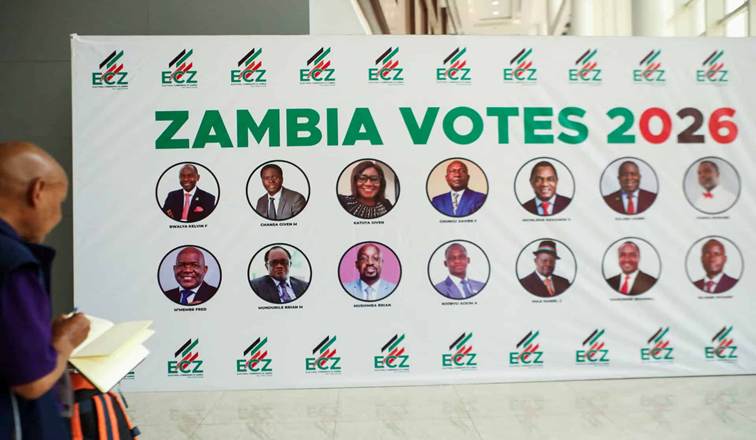
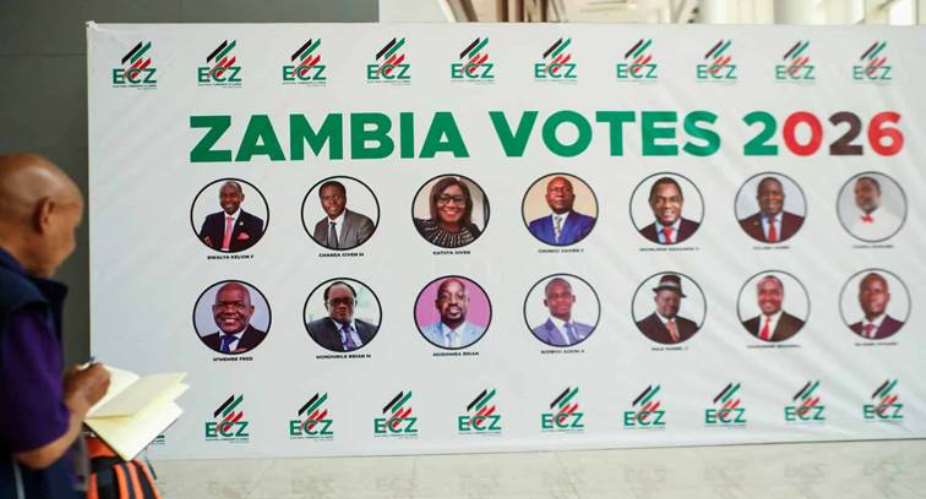
On 13 August 2026, Zambians stood in queues and voted. Again. For the seventh time since 1991, the ballot — not the bullet — decided who would lead. That is the plus.
But while votes were being counted, the main opposition leader was taken in for questioning, courts were closed for three days citing “security reasons”, and the Electoral Commission of Zambia (ECZ) paused public updates to the national tally for six hours. That is the dent.
So which one will define Zambia? And by extension, Southern Africa?
New Rules,The Old Test
This election was held under new rules. On 18 December 2025, President Hichilema assented to the Constitution Amendment Act No. 13 of 2025.
It made three changes:
1. 40 PR seats for women, youth and persons with disabilities (PWDs).
2. More constituencies, increased from 156 to 226.
3. No automatic cancellation, of elections if a candidate withdraws or is disqualified.
Initially, civil society raised concerns of possible gerrymandering. After the Electoral Commission of Zambia (ECZ) completed delimitation, the new constituencies appeared evenly distributed and that criticism largely subsided.
The Result
According to ECZ, Hakainde Hichilema of the United Party for National Development (UPND) received 60.49% and was declared winner for a second term in office. Brian Mundubile of the National Reconciliation Party for Unity and Prosperity (NRPUP) received 37.87%. Thirteen other candidates trailed far behind.In Parliament: UPND 160 seats, NRPUP 76 seats. Others 42 seats. Total: 278 seats.
Six presidents from three parties since 1991. In the Southern African Development Community (SADC), that record of peaceful transfers is significant. It warrants protection.
The Test: What Happened Whilst The Votes Were Being Counted
The state did not wait for the final tally.
On 14 August, the day after voting, Mundubile addressed supporters and claimed victory. That night, the Zambia Police Service conducted a raid at a property linked to him. According to a ZP statement, firearms and other weapons were recovered and nearly a dozen people were arrested.
On 15 August, the Zambia National Service conducted another operation. Former Minister Mutotwe Kafwaya died during the incident and further weapons were recovered. The circumstances of Mr. Kafwaya’s death are subject to ongoing investigation.
Mundubile and his running mate Makebi Zulu sought refuge at a United Nations (UN) facility in Lusaka. On 27 August, they were handed over to Zambian authorities and subsequently charged with treason. The State alleges possession of weapons and an alleged plot to overturn the election result. As of publication, full court exhibits have not been made public. The government states the actions were necessary to protect constitutional order.
From 24 to 26 August, courts and key government offices were closed. The Judiciary cited “security reasons” in a public notice.
Also on 14 August, ECZ paused public updates to the national results portal for approximately six hours. When updates resumed, public confidence had been affected. ECZ has not issued a detailed explanation for the pause as of publication.
Observers Verdict: “Free But Not Fair”
The Southern African Development Community (SADC), African Union (AU), European Union (EU) and the Christian Churches Monitoring Group (CCMG) deployed observer missions. In their preliminary statements they agreed on two points.
1. Free- Citizens voted without widespread intimidation at polling stations.
2. Not Fair- The playing field was tilted prior to polling day.
The numbers illustrate why questions arose. According to CCMG’s parallel vote tabulation, Hichilema received 56% and Mundubile 42%. ECZ’s final declared result was Hichilema 60.49% to Mundubile’s 37.87%. That discrepancy warrants explanation.
According to observer reports, factors cited included:
One Microphone: The Zambia National Broadcasting Corporation (ZNBC) and state media allocated disproportionate coverage to the ruling party. Some opposition gatherings were denied permits by authorities.
State Resources: Observers noted an increase in the use of government vehicles, Constituency Development Fund (CDF) projects and food aid in the 90 days preceding the vote.
The Blackout: The six-hour pause in public updates created an information vacuum filled by speculation.
Free means no coercion at the ballot box. Fair means no undue advantage before voting. Zambia met the first standard. It fell short on the second.
Africa’s Old Wound: Tribe Over Policy
Hichilema is from Southern Province. Mundubile is from Northern Province. Throughout the campaign, social media platforms featured content with ethnic undertones. The discourse often centered on identity rather than policy.
Dr. O’Brien Kaaba argues that this _winner-take-all democracy model is deepening division, (1). When 60% takes all executive power and 40% has limited representation, trust in institutions erodes.
The Three Questions That Won’t Go Away
According to (2)
1. Were presidential votes inflated? According to DIA’s post-election audit, some ECZ constituency presidential figures do not align with parliamentary results in the same areas.
2. What happened during the six-hour suspension? The absence of a public explanation has fueled speculation.
3. What is the remedy? If institutions cannot account for discrepancies, mechanisms for correction and transparency must be activated.
As Prof. Nic Cheeseman and Nicole Beardsworth wrote:
Judge an election not by who came first, but by whether the institutions protecting choice were respected, (3).
Why Is This An African Problem?
Zambia sits on copper and cobalt, critical minerals for the global energy transition. That places Lusaka at the center of debt diplomacy, foreign investment, and geopolitical competition.In that context, democratic credibility is a strategic asset. Without it, resource wealth risks becoming a liability. When SADC’s most consistent electoral democracy shows institutional strain, it sets a precedent for the region. When Lusaka faces governance questions, Harare, Maputo, Windhoek, and Pretoria take note. This is not only about Zambia. It is about whether Southern Africa in 2026 will be governed by constitutional process or by force.
Hichilema’s story is African: rejected, jailed, and then elected by the people. That deserves respect. That 60% mandate is real and must be respected, even as it is subject to scrutiny. Respect must now mean restraint. A president elected by 60% must govern for 100%.
Will the new 40 PR seats bring market women, youth and persons with disabilities into substantive decision-making? Or will they function as additional seats for party appointees? Time will tell.
The Judgement: ” Both A Plus & A Dent”
The Plus:
Zambians voted peacefully. There was no widespread violence on polling day. And for the first time, 40 new seats for women, youth and PWDs entered Parliament. In a region where power often changes outside the ballot, that is progress worth protecting.
The Dent:
An election is judged not only by the outcome but by adherence to process. The arrest and charging of the main challenger during the counting period, the closure of courts, and allegations of misuse of state resources raise legitimate concerns about institutional independence.
Authorities cannot jail their way out of political disagreement. The handling of the challenger during the count sends a signal to citizens about the cost of contesting power. That undermines trust. What occurred in Zambia reflects patterns of democratic backsliding- incremental erosion rather than outright collapse.
Conclusion & Way Forward
To the people of Zambia: Well done, you voted peacefully. You affirmed the ballot.To the Zambian government: Pursue healing over retaliation. Conduct a public and independent inquiry into Mr. Kafwaya’s death. Reopen full court operations. Ensure media access. Provide a full public account of the six-hour pause in results transmission.To SADC and Africa: Africa must move beyond certifying “peaceful voting” and insist on elections that are both “free and fair”.The ballot spoke on 13 August 2026. Zambia earned a plus for holding the vote. It earned a dent in how the process was managed.
- Madondo (African Teacher) [email protected]
AUTHOR BIO
Fortune Madondo is a Zimbabwean Pan-Africanist, decolonial thinker and youth organiser. His work is unapologetic: pro-African sovereignty, anti-neocolonialism, pro-justice. He writes to challenge hegemony and champion African self-determination.
Endnotes
1. O’brien Kaaba, in Vanguard Africa Foundation, 1 September, 2026 Zambia’s Winner-Take-All Democracy: Available at www.vanguardafrica.com
2. Nicole Beardsworth, in Democracy In Africa (DIA) report, 28 August ,2026 ,Zambia’s Problematic Election: The Questions That Won’t Go Away: Available at www.democracyinafrica.org
3. Nic Cheeseman& Nicole Beardsworth quoted in Africa Report, 21 August,2026 ,in article, Zambia’s election: The anomaly is real; the conclusion is not; by Blessing Vava & Tamuka C. Chirimambowa, Available at: www.theafricareport.com

Fortune Madondo, © 2026
Fortune Madondo is a Zimbabwean Pan-Africanist writer, political analyst and a decolonial thinker. . More His work is characterized by staunch, unapologetic, defiant, Pan-Africanist and anti-imperialist stance, often addressing issues of neocolonialism and the need for African self-determination. His writing champions global South solidarity, regularly critiquing global powers hegemony and resource exploitation in Africa.His work is driven by his core Pan-Africanist framework: African sovereignty, anti-paternalism, African geopolitics; in all this, he advocates for socio-economic justice. He is a youth empowerment advocate, organiser, activist and a founder of a youth organization.
Column: Fortune Madondo
Disclaimer: “The views expressed in this article are the author’s own and do not necessarily reflect ModernGhana official position. ModernGhana will not be responsible or liable for any inaccurate or incorrect statements in the contributions or columns here.”
Follow our WhatsApp channel for meaningful stories picked for your day.
Top Stories


Originally published on www.modernghana.com