April 1, 2026
Nigerian Senate sparks fury by rubber stamping President Tinubu’s $5bn loan in 3hours
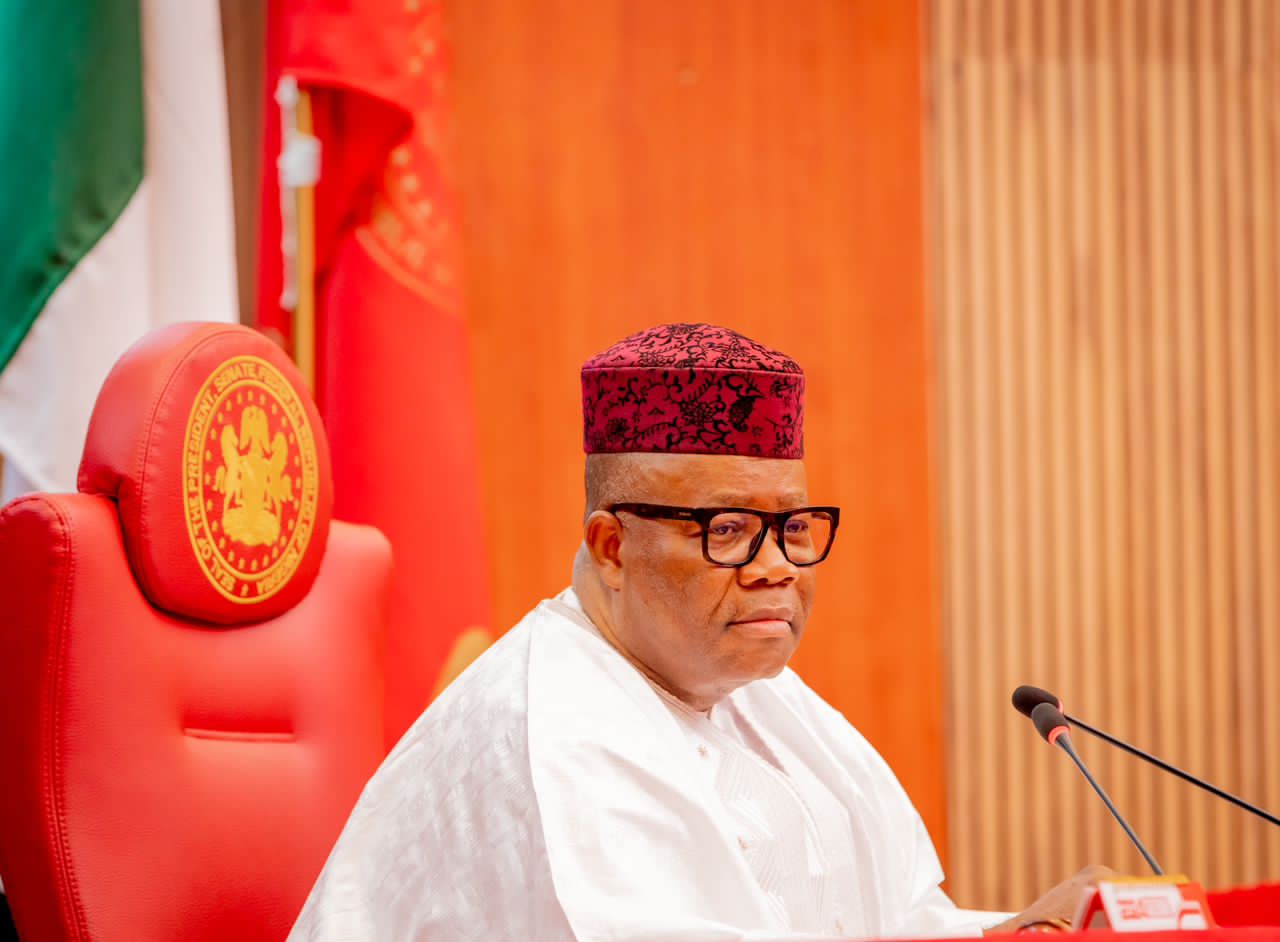

The Nigerian Senate has ignited a firestorm of public indignation following the lightning-fast approval of a $5 billion external loan request submitted by President Bola Ahmed Tinubu.
In a move that many critics describe as a total abandonment of legislative oversight, lawmakers greenlit the massive borrowing plan less than four hours after Senate President Godswill Akpabio first read the proposal on the floor.
The sheer velocity of the decision has dominated headlines and social media feeds, as skeptical citizens question how a multi-billion-dollar commitment could be properly scrutinized within a single afternoon.
While the executive branch maintains the funds are essential for infrastructure and budget stability, the lack of visible debate has left many wondering if the National Assembly is merely acting as a “rubber stamp” for the presidency.

A Fiscal Gamble or Economic Necessity?
The $5 billion facility is intended to be sourced from international lenders and released in stages. According to the presidency, the loan is designed to:
- Finance critical national infrastructure projects.
- Refinance existing high-interest debts to ease the country’s repayment burden.
- Support the implementation of the federal budget amid ongoing fiscal pressures.
Despite these justifications, the timing is sensitive. Nigeria’s public debt has climbed steadily, and for many Nigerians already struggling with the rising cost of living, the prospect of further borrowing without transparent deliberation is a bitter pill to swallow.
Accountability Under Fire
The controversy is less about the loan itself and more about the process. Legislative experts argue that for a sum of this magnitude, the public expects detailed committee hearings, deep dives into the terms of the agreement, and a clear explanation of how the money will be paid back.

Instead, the Senate’s swift action has reinforced a growing perception of a lack of transparency in fiscal management. While supporters of the administration insist the move was necessary to avoid bureaucratic delays and stimulate growth, the optics of such a rapid approval have turned this loan into a significant political flashpoint, leaving the Nigerian public demanding more accountability from their elected representatives.